
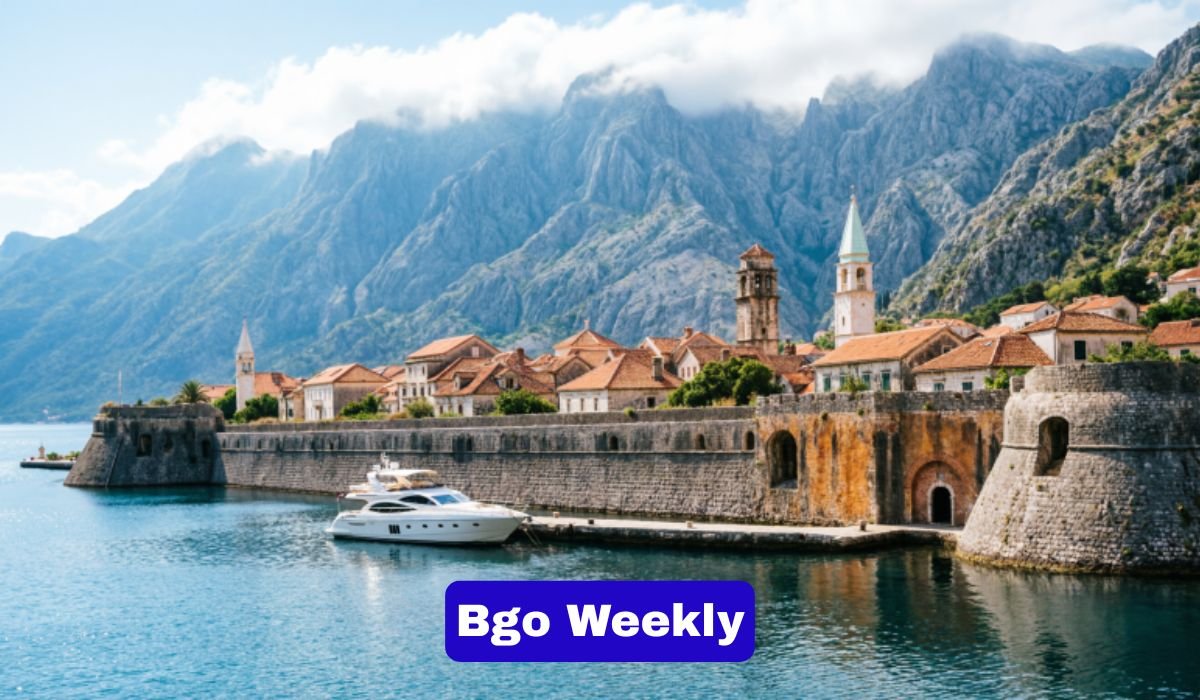
Introduction: Why Kotora Melnkalne Is Gaining Attention
If you have searched for Kotora Melnkalne recently, you are not alone. The phrase has quietly gained attention online, especially among travelers looking for meaningful destinations in Europe. At first glance, Kotora Melnkalne sounds mysterious, almost fictional. Yet behind this intriguing name lies a very real and breathtaking place: in .
In 2025, travelers are seeking places that feel authentic, historic, and emotionally powerful. Kotor offers exactly that. Surrounded by dramatic mountains and resting along calm Adriatic waters, it combines natural beauty, medieval charm, and deep cultural identity. This article explains what Kotora Melnkalne truly means, where it is located, why it is trending, and what makes this destination so special.
Quick Bio Information
Location: Kotor, Montenegro
Region: Adriatic Coast
Bay: Bay Of Kotor
Population: Approximately 13,000 In The Municipality
Language: Montenegrin
Currency: Euro
UNESCO Status: Protected Old Town
Climate: Mediterranean
Nearest Airport: Tivat Airport
Distance To Dubrovnik: Around 90 Kilometers
Main Landmark: St. Tryphon’s Cathedral
Fortress: San Giovanni Fortress
Mountain Range: Dinaric Alps
National Park Nearby: Lovćen National Park
Best Travel Months: May And September
Local Wine: Vranac
Famous Island: Our Lady Of The Rocks
Travel Style: Cultural And Scenic
Digital Nomad Friendly: Yes
What Does Kotora Melnkalne Really Mean?
The phrase Kotora Melnkalne has linguistic roots rather than geographical ones. “Kotora” reflects a grammatical form similar to “Kotorā” in Latvian, meaning “In Kotor.” “Melnkalne” translates to “Black Mountain,” which is the literal meaning of Montenegro. The country’s name comes from the Venetian term Monte Negro, referring to the dark forested mountains rising above the coast.
When combined, Kotora Melnkalne simply means “Kotor, Montenegro.” However, the phrasing sounds poetic and atmospheric, which explains why it captures curiosity online. It blends geography and language into one expressive phrase. Rather than being a separate town, Kotora Melnkalne is a romantic way of referring to Kotor and its dramatic Black Mountain backdrop.
Where Kotora Melnkalne Is Located
Kotor sits along the Adriatic Coast of Southeastern Europe, inside the stunning . Although often described as Europe’s southernmost fjord, the bay is technically a submerged river canyon. The steep limestone cliffs rise almost vertically from the water, creating a dramatic amphitheater around the town.
Kotor lies about ten kilometers from Tivat Airport, making it easily accessible. It is close to Perast, Budva, and the Croatian city of Dubrovnik. The region enjoys a Mediterranean climate, with warm summers and mild winters. The combination of sea air and mountain breezes gives Kotor a unique atmosphere that feels both coastal and alpine at the same time.
A Rich History Shaped By Empires
Kotor’s history stretches back more than two thousand years. The Romans first established settlements in the area, followed by Byzantine rule that strengthened Christianity and trade networks. The most visible influence today comes from the Venetian Republic, which controlled Kotor for nearly four centuries.
Later, the town came under Austro-Hungarian administration and eventually became part of Yugoslavia before Montenegro gained independence in 2006. Because of its exceptional preservation, Kotor is protected as part of a . The medieval walls, churches, and layout have survived earthquakes and political changes, making it one of the best-preserved fortified towns on the Adriatic Coast.
Inside The Old Town Of Kotor
Walking through Old Town Kotor feels like stepping into another century. Massive stone walls encircle the town, climbing steeply into the mountains. Narrow streets twist between small squares, churches, and historic palaces. Life here is not staged for tourists. Residents hang laundry from windows, and local cats rest on warm stone steps.
One of the most important landmarks is , built in the twelfth century. Its Romanesque architecture reflects the town’s maritime wealth and religious importance. Nearby, the Clock Tower stands in Arms Square, marking the heart of the Old Town. The entire area feels intimate and alive rather than crowded and commercial.
Natural Beauty That Defines Kotora Melnkalne
The landscape around Kotor is one of its strongest attractions. The mountains of the rise dramatically above the bay. Early morning light turns the water silver, while sunset paints the cliffs in warm gold.
A popular activity is hiking up to . The climb involves more than a thousand steps, but the view from the top is unforgettable. The entire Bay Of Kotor stretches below, with red rooftops and distant villages scattered along the coastline. The scenery is peaceful, powerful, and deeply memorable.
Top Attractions Near Kotora Melnkalne
Beyond the Old Town and fortress, Kotor offers several meaningful experiences. The Maritime Museum showcases centuries of seafaring tradition. Boat trips across the bay take visitors to , a small artificial island built by local sailors over generations.
Nearby offers baroque architecture and quiet waterfront charm. For mountain views, visitors can explore . Those looking for beaches and nightlife often visit , located about thirty minutes away.
Local Food And Montenegrin Culture
Food in Kotor reflects both Mediterranean and Balkan influences. Fresh seafood from the Adriatic dominates many menus. Grilled fish, octopus salad, and black risotto made with cuttlefish ink are common specialties. Njeguški pršut, a smoked ham from the nearby mountains, is often served with local cheese and olives.
Montenegrin wines such as Vranac and Krstač pair beautifully with regional dishes. Dining here is unhurried. Meals are meant to be shared and enjoyed slowly. Cultural traditions also remain strong. St. Tryphon’s Day, Boka Night, and summer music festivals bring life and color to the Old Town streets.
Best Time To Visit Kotora Melnkalne
Spring and autumn are often considered the best times to visit Kotor. From April to June and September to October, the weather is pleasant and crowds are manageable. Summer offers vibrant energy and warm sea temperatures, but cruise ship arrivals can make the Old Town busy.
Winter reveals a quieter, mist-covered version of Kotor. While cooler, it offers a peaceful atmosphere ideal for reflection and photography. The destination is appealing year-round, depending on whether travelers prefer energy or calm.
How Many Days Should You Stay
Two to three days provide enough time to explore Old Town Kotor, hike to San Giovanni Fortress, enjoy a boat tour, and visit nearby Perast. Travelers who enjoy slow travel may choose to stay longer and explore surrounding mountains and national parks.
Because distances are short, even a short visit feels fulfilling. However, staying longer allows visitors to experience the rhythm of local life beyond the main attractions.
Travel Tips For First-Time Visitors
Comfortable shoes are essential due to cobblestone streets and steep paths. Early mornings are the best time to explore before cruise passengers arrive. Carrying some cash is helpful for small family-run restaurants.
Kotor is generally safe and walkable. Public transport connects nearby towns, and car rentals offer flexibility for exploring the coast. Visitors should dress respectfully when entering churches and historical sites.
Kotora Melnkalne For Digital Nomads
In 2025, Montenegro continues to promote its Digital Nomad Visa program. Kotor offers reliable WiFi, scenic cafés, and a relaxed pace of life. The blend of sea views and mountain surroundings makes it an inspiring place to work remotely.
Many long-term visitors appreciate the balance between productivity and lifestyle. While smaller than major European hubs, Kotor offers focus without distraction.
Why Kotora Melnkalne Became Trending In 2025
The rise of Kotora Melnkalne as a search term reflects broader travel trends. Travelers are drawn to poetic place names and culturally rich destinations. Social media images of the Bay Of Kotor have amplified interest in Montenegro.
Additionally, linguistic variations in different languages have caused the phrase to appear online in multiple forms. What began as a grammatical variation has evolved into a search curiosity.
Final Thoughts On Kotora Melnkalne
Kotora Melnkalne may sound mysterious, but its story leads to a real and extraordinary place. Kotor, Montenegro offers a rare combination of medieval heritage, dramatic mountains, calm waters, and authentic culture. It is not just beautiful. It feels meaningful.
In 2025, as travelers seek depth rather than crowds, Kotor stands out as a destination that balances history and nature in perfect harmony. Whether you visit for two days or two weeks, the memory of the Bay Of Kotor and its Black Mountain backdrop will stay with you long after you leave.
FAQs About Kotora Melnkalne
Is Kotora Melnkalne A Real Place?
Kotora Melnkalne is not a separate town. It refers to Kotor in Montenegro. The phrase reflects linguistic variations that translate to “In Kotor, Montenegro.”
Why Is Kotora Melnkalne Trending Online?
The phrase has gained attention because of travel searches, language variations, and growing interest in Montenegro as a scenic European destination.
Is Kotor Expensive To Visit?
Kotor is generally more affordable than nearby Dubrovnik. Accommodation and dining prices vary by season, but it remains reasonably priced compared to Western Europe.
How Safe Is Kotor For Tourists?
Kotor is considered very safe for visitors. Crime rates are low, and the town is compact and walkable.
What Is The Main Attraction In Kotor?
The Old Town and the hike to San Giovanni Fortress are considered the top highlights due to their history and panoramic views.
Is Kotor Suitable For Solo Travelers?
Yes, Kotor is welcoming, safe, and easy to navigate, making it ideal for solo travelers and couples alike.
People Also Read: Valplekar In 2026: Meaning, Relevance, And Future Potential