
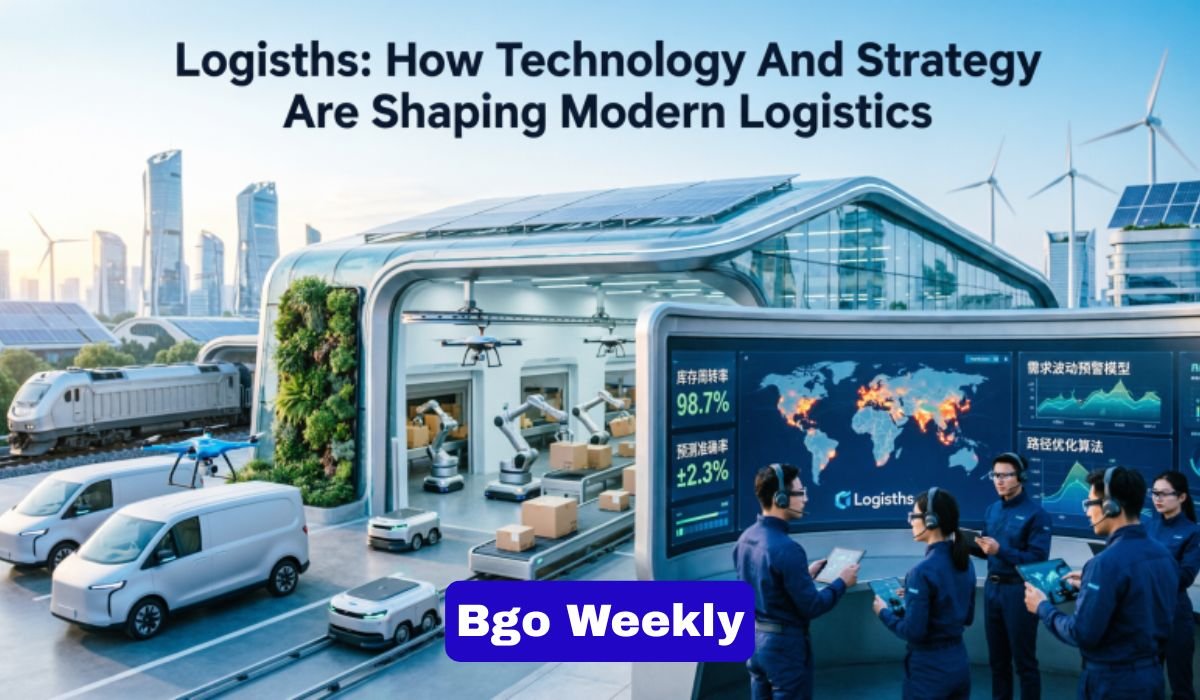
Introduction: Welcome To The World Of Logisths
In today’s fast-paced business environment, the way goods move from one point to another is no longer just about transportation. Modern Logistics Requires a Smarter Approach That Combines Technology, Strategy, and Operational Excellence. This is where Logisths comes in — a concept designed to integrate advanced technological solutions with strategic planning to create more efficient, reliable, and customer-focused logistics operations.
Whether You Are Running An E-Commerce Business, Managing Manufacturing Supply Chains, Or Coordinating Food Distribution Networks, Understanding Logisths Can Give You A Competitive Edge. In This Article, We Will Explore How Technology And Strategy Are Revolutionizing Logistics, The Benefits Of Adopting Logisths, Real-World Examples, Common Challenges, And Future Trends. By The End, You Will Have A Comprehensive Understanding Of Logisths And How It Can Transform Your Business.
Quick Bio Information
Logisths Combines Technology And Strategic Planning In Logistics.
It Enhances Efficiency And Reduces Costs Across Supply Chains.
AI Enables Predictive Analytics And Smarter Inventory Management.
IoT Provides Real-Time Shipment Tracking And Monitoring.
Robotics Automates Warehouse Processes, Reducing Human Error.
Data Analytics Supports Informed Decision-Making.
Strategic Planning Identifies Key Performance Indicators For Success.
Collaboration Among Teams Improves Operational Coordination.
Customer-Centric Logistics Improves Satisfaction And Loyalty.
E-Commerce Companies Use Logisths To Streamline Deliveries.
Automotive Manufacturers Optimize Production Schedules With AI.
Food Distributors Monitor Temperature-Sensitive Shipments With IoT.
Common Challenges Include Resistance To Change And Data Security.
Training Programs And Middleware Ensure Smooth Technology Integration.
Cybersecurity Is Essential For Protecting Sensitive Information.
Logisths Supports Sustainable And Eco-Friendly Practices.
Future Trends Include Greater AI Use And Automated Supply Chains.
Companies Adopting Logisths Gain Competitive Advantages.
Real-Time Insights Enhance Decision-Making And Agility.
Logisths Bridges Operational Efficiency With Strategic Growth.
What Is Logisths? A Simple Explanation
At Its Core, Logisths Is The Integration Of Technology And Strategic Planning In Logistics. It Is More Than Just Moving Goods From One Place To Another; It’s About Creating A Seamless, Efficient, And Customer-Centric Supply Chain. By Combining Advanced Tools Like Artificial Intelligence, The Internet Of Things, Robotics, And Data Analytics With Strategic Decision-Making, Businesses Can Streamline Their Operations, Reduce Costs, And Improve Delivery Performance.
Logisths Is Applicable Across Industries. From Large-Scale E-Commerce Platforms To Small Manufacturing Units, Companies Can Leverage This Approach To Optimize Routes, Manage Inventory Smarter, And Provide Customers With Reliable Updates On Their Orders. Essentially, Logisths Bridges The Gap Between Operational Efficiency And Strategic Growth.
The Role Of Technology In Modern Logistics
Technology Is The Driving Force Behind The Logisths Concept. Today, Logistics Operations Are Powered By A Range Of Cutting-Edge Technologies That Enhance Visibility, Accuracy, And Speed. Artificial Intelligence And Machine Learning Enable Predictive Analytics, Helping Businesses Forecast Demand, Optimize Inventory, And Make Smarter Decisions. IoT Devices Provide Real-Time Tracking Of Shipments And Fleet Vehicles, Ensuring Products Move Safely And Efficiently From Point A To Point B.
Automation And Robotics In Warehouses Are Another Crucial Aspect. These Innovations Reduce Human Errors, Accelerate Processing Times, And Allow Staff To Focus On Strategic Tasks Rather Than Repetitive Manual Work. Furthermore, Data Analytics Provides Insights Into Patterns And Trends, Helping Companies Anticipate Challenges And Adjust Strategies Quickly. By Embracing These Technologies, Businesses Can Stay Agile And Competitive In An Ever-Changing Market.
Strategic Planning: The Backbone Of Logisths
While Technology Provides Tools, Strategy Provides Direction. Effective Strategic Planning Is Essential For Ensuring Logistics Operations Are Smooth, Efficient, And Resilient. A Well-Defined Logistics Strategy Begins With Understanding Your Supply Chain Needs And Identifying Key Performance Indicators To Measure Success. This Helps Businesses Monitor Their Operations And Make Data-Driven Decisions.
Collaboration Across Departments Is Another Critical Component. Engaging Stakeholders From Procurement, Warehousing, Transportation, And Customer Service Ensures That Everyone Works Toward Common Goals. Strategic Planning Also Involves Scenario Analysis To Prepare For Unexpected Disruptions, Allowing Businesses To Respond Proactively Rather Than Reactively. By Integrating Strategy With Technology, Organizations Can Achieve A Higher Level Of Logistics Efficiency And Operational Excellence.
Key Elements Of Logistics Excellence
Achieving Logistics Excellence Requires More Than Technology Or Strategy Alone. Several Core Elements Must Work Together To Deliver Consistent Results. Efficient Supply Chain Management Systems Ensure That Products Flow Smoothly From Suppliers To Customers, Reducing Delays And Minimizing Costs. Real-Time Data Analytics Supports Informed Decision-Making, Allowing Companies To Optimize Routes And Inventory Levels.
Collaboration Among Teams And Stakeholders Enhances Communication And Operational Coordination. Equally Important Is A Customer-Centric Approach, Understanding Client Needs And Expectations To Provide Reliable, Flexible, And Personalized Services. When These Elements Combine, Businesses Can Deliver Logistics Excellence That Supports Growth, Customer Satisfaction, And Long-Term Success.
Real-World Examples Of Logisths In Action
Numerous Companies Have Already Reaped The Benefits Of Implementing Logisths. For Example, Leading E-Commerce Platforms Use Real-Time Tracking And Data Analytics To Streamline Deliveries And Keep Customers Informed At Every Step. This Integration Has Improved Efficiency And Significantly Enhanced Customer Experience.
Global Automotive Manufacturers Have Leveraged AI-Driven Inventory Forecasting To Reduce Waste, Ensure On-Time Production, And Optimize Supply Chains. Food Distribution Companies Have Adopted IoT Devices To Monitor Temperature-Sensitive Shipments, Ensuring Products Reach Customers Safely Without Compromising Quality. These Examples Show That Logisths Is Versatile And Effective Across Different Sectors, Each Tailoring Its Approach To Meet Specific Needs.
Benefits Of Integrating Technology And Strategy
The Integration Of Technology And Strategy Through Logisths Brings Numerous Benefits. Businesses Experience Improved Operational Efficiency, Lower Costs, And Fewer Errors. Decision-Making Becomes Smarter And Faster, With Data-Driven Insights Guiding Daily Operations And Long-Term Plans. Customer Satisfaction Increases As Orders Arrive On Time And With Greater Transparency.
Moreover, Companies Gain Flexibility To Adapt To Market Changes And Unexpected Disruptions. This Holistic Approach Enhances Not Only Internal Processes But Also Builds Stronger Relationships With Suppliers, Partners, And Clients. In Today’s Competitive Market, Adopting Logisths Provides A Strategic Advantage That Can Distinguish Businesses From Their Competitors.
Common Challenges In Implementing Logisths
Despite Its Benefits, Implementing Logisths Comes With Challenges. One Common Obstacle Is Resistance To Change. Employees May Feel Overwhelmed By New Technologies Or Processes, Leading To Pushback. Another Challenge Is Integrating Legacy Systems With Modern Tools, Which Can Cause Temporary Disruptions In Operations. Data Security Is Also A Key Concern, As Transitioning To Advanced Technologies Involves Handling Sensitive Information Across Platforms.
These Challenges Are Not Insurmountable, But They Require Awareness, Planning, And Commitment From Management And Staff. Organizations That Address These Issues Proactively Are More Likely To Achieve Successful Logisths Implementation.
Solutions And Best Practices
To Overcome Challenges, Companies Can Implement Several Best Practices. Comprehensive Training Programs Help Employees Understand The Benefits Of New Technologies And Equip Them With The Skills To Use Them Effectively. Middleware And Consulting Services Can Ensure Smooth Integration Between Legacy Systems And Modern Platforms. Additionally, Establishing Strong Cybersecurity Measures From The Outset Protects Sensitive Data And Builds Trust Among Stakeholders.
By Following These Best Practices, Organizations Can Minimize Disruptions, Increase Adoption Rates, And Maximize The Benefits Of Logisths. Success Requires A Balanced Approach That Combines Technology, Strategy, And People-Centered Management.
The Future Of Logisths And Logistics Innovation
Looking Ahead, The Future Of Logisths Promises Even Greater Innovation. Artificial Intelligence Will Play An Expanding Role In Predictive Analytics And Smart Decision-Making. Automation And Robotics Will Become More Advanced, Reducing Operational Bottlenecks. Sustainability Will Become A Core Component Of Logistics, With Eco-Friendly Practices Integrated Into Every Stage Of The Supply Chain.
Companies That Embrace Logisths Today Will Be Better Equipped To Navigate Increasingly Complex Supply Chains, Maintain Competitive Advantage, And Deliver Exceptional Customer Experiences. The Future Of Logistics Is Smart, Agile, And Customer-Focused, And Logisths Is Leading The Way.
Conclusion: Final Thoughts On Logisths
The Logistics Landscape Is Rapidly Changing, And Companies That Combine Technology And Strategy Through Logisths Are Leading The Way. By Leveraging AI, IoT, Robotics, And Data Analytics, Businesses Can Streamline Operations, Reduce Costs, And Deliver Better Customer Experiences. Strategic Planning Ensures That These Tools Are Used Effectively, With Clear Goals, KPIs, And Cross-Functional Collaboration.
Logisths Is Not Just A Trend; It’s A New Standard For Excellence In Logistics. Companies That Adopt This Approach Today Will Be Better Positioned To Navigate Complex Supply Chains, Innovate Continuously, And Stay Ahead Of Competitors. The Future Of Logistics Is Smart, Efficient, And Customer-Focused, And Logisths Is At The Heart Of This Transformation.
FAQs About Logisths
What Is Logisths In Simple Terms?
Logisths Is The Integration Of Technology And Strategic Planning To Optimize Logistics Operations. It Helps Businesses Manage Supply Chains More Efficiently And Provide Better Customer Experiences.
Why Is Technology Important In Logisths?
Technology Powers Key Tools Like AI, IoT, Robotics, And Data Analytics. These Tools Reduce Errors, Improve Efficiency, Enable Real-Time Tracking, And Support Smart Decision-Making.
Which Industries Can Benefit From Logisths?
Virtually Any Industry With Supply Chain Operations Can Benefit. E-Commerce, Manufacturing, Food Distribution, And Automotive Sectors Have Seen Significant Improvements.
What Are The Common Challenges In Implementing Logisths?
Resistance To Change, Integration Of Legacy Systems, And Data Security Concerns Are The Most Common Challenges Businesses Face When Adopting Logisths.
How Can Companies Overcome These Challenges?
Comprehensive Training, Middleware Solutions, And Robust Cybersecurity Measures Can Address These Challenges Effectively, Ensuring Smooth Adoption.
What Are The Key Benefits Of Logisths?
Businesses Gain Improved Efficiency, Reduced Costs, Enhanced Customer Satisfaction, Better Decision-Making, And Greater Flexibility To Adapt To Market Changes.
How Will Logisths Evolve In The Future?
Future Trends Include Expanding Use Of AI, Advanced Automation, Predictive Analytics, And Sustainable Logistics Practices That Minimize Environmental Impact.
Is Logisths Suitable For Small Businesses?
Yes. While Large Enterprises Often Have More Resources, Small Businesses Can Implement Scaled Logisths Solutions To Optimize Operations And Compete Effectively.
People Also Read: Obstetrika: Your Complete Guide to Safe Pregnancy and Confident Delivery