
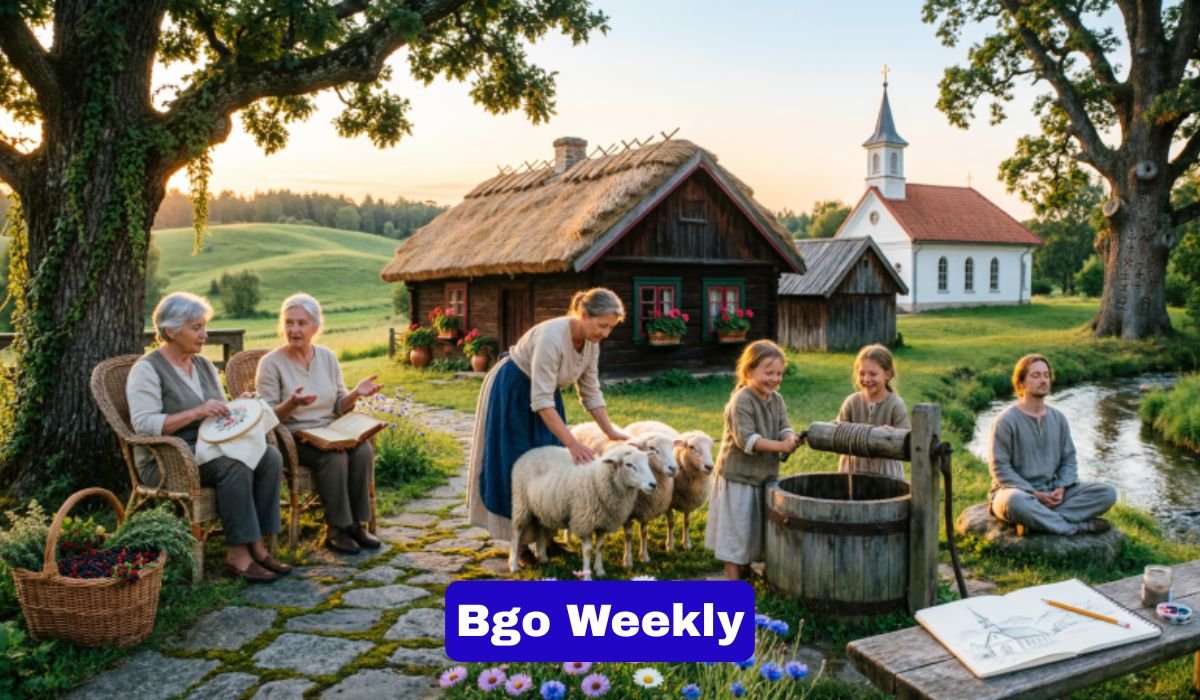
Introduction: Why Sodziu Still Matters Today
In a world shaped by fast cities, digital overload, and constant pressure, many people are searching for a slower and more meaningful way of living. That search often leads back to rural roots, sustainable traditions, and community-centered values. In Lithuania, one word captures all of this beautifully: Sodziu.
Sodziu comes from the Lithuanian word sodžius, meaning village or rural settlement. Yet its meaning reaches far beyond geography. Sodziu represents Lithuania’s Rural Heritage, Traditional Village Life, and a Mindful Village Lifestyle grounded in nature, simplicity, and strong social ties. It reflects a way of life that shaped Lithuanian identity for centuries and still inspires Sustainable Living today.
This article explores what Sodziu truly means, how it shaped Lithuania’s countryside, why it supports health and wellness, and how its values can be applied in modern life. By the end, you will see that Sodziu is not just history. It is a living philosophy.
Quick Bio Information About Sodziu
Name: Sodziu
Origin: Lithuanian Language
Root Word: Sodžius
Meaning: Village Or Rural Settlement
Country: Lithuania
Historical Role: Foundation Of Rural Society
Primary Activity: Agriculture And Livestock
Architecture Style: Wooden Farmsteads
Key Value: Community Cooperation
Cultural Feature: Folk Songs And Festivals
Health Benefit: Lower Stress Living
Modern Trend: Sustainable Lifestyle Revival
Tourism Type: Heritage Tourism
Related Concept: Mindful Village Life
Economic Base: Small-Scale Farming
Social Structure: Family-Centered Communities
Seasonal Focus: Harvest And Solstice Celebrations
Modern Adaptation: Eco-Farming And Rural Retreats
Philosophical Symbol: Harmony With Nature
What Is Sodziu? Understanding Its Meaning And Origins
At its core, Sodziu refers to a rural village or homestead in Lithuania. The Lithuanian term sodžius traditionally described a small agricultural settlement made up of family farms clustered together. These villages formed the foundation of Rural Life In Lithuania for centuries.
Unlike large towns, a Sodziu was often self-sufficient. Families grew grains such as rye and barley, cultivated vegetables, kept livestock, and produced dairy products. Life revolved around the land, the seasons, and shared work. In this sense, Sodziu was both a physical place and a social structure.
Over time, the word evolved into something broader. Today, Sodziu also symbolizes a Lifestyle Philosophy rooted in Simplicity, Sustainability, and Community. It represents connection to nature, respect for tradition, and the belief that meaningful living does not require excess.
The Historical Role Of Sodziu In Lithuania’s Rural Heritage
Lithuania’s history is deeply tied to its countryside. For much of its past, the country was primarily agricultural. Before industrialization, most Lithuanians lived in rural settlements rather than cities. Sodziu communities shaped the nation’s cultural identity, language preservation, and social values.
During periods of foreign rule, including under the Russian Empire and later the Soviet Union, rural villages played a key role in maintaining Lithuanian language and traditions. Folk songs, known as dainos, were passed down in these villages. Harvest festivals and religious celebrations preserved a sense of identity even during political hardship.
Land ownership was central to Sodziu life. Farms were family-run, and agricultural knowledge passed from one generation to the next. This created strong intergenerational bonds and a deep respect for land stewardship. In many ways, Sodziu became a symbol of resilience and cultural survival.
Traditional Architecture And Village Design In Sodziu
A walk through a traditional Lithuanian village reveals a unique architectural style shaped by climate and practicality. Wooden houses, often built from pine or spruce, formed the heart of each homestead. These homes were typically surrounded by barns, granaries, and gardens.
The layout of a Sodziu was intentional. Buildings were arranged to protect against harsh Baltic winters and strong winds. Roofs were steep to shed snow, and thick wooden walls provided insulation. Gardens were not decorative alone; they supplied herbs, vegetables, and fruit.
One of the best preserved examples of traditional rural architecture can be seen at the Open-Air Museum of Lithuania. This museum showcases authentic farmsteads from different regions, allowing visitors to understand how Sodziu villages were organized.
Architecture in Sodziu reflects Sustainable Design long before the term became popular. Homes were built with local materials, designed for efficiency, and integrated with the landscape.
Cultural Traditions Preserved Through Sodziu Life
Culture in Sodziu was not something separate from daily life. It was woven into farming, cooking, and community gatherings. Seasonal festivals marked important agricultural moments such as planting and harvest.
One of the most important traditional celebrations is Joninės, also known as Midsummer. Celebrated around the summer solstice, it includes bonfires, songs, and symbolic rituals connected to nature. These celebrations were often held in rural villages, reinforcing community bonds.
Folk music, weaving, wood carving, and bread baking were not hobbies but essential skills. Sodziu communities valued craftsmanship, and many traditions continue today through artisan workshops and cultural festivals.
These traditions form a key part of Lithuania’s Intangible Cultural Heritage and demonstrate how Sodziu preserved national identity.
The Sodziu Lifestyle: Simplicity And Community
Life in a traditional Sodziu followed natural rhythms. Days began early, guided by sunrise and farm tasks. Work was shared among family members. Neighbors supported one another during harvest, construction, or hardship.
This way of living fostered Social Cohesion. People knew each other well. Decisions were often made collectively. Celebrations and mourning were shared experiences.
Sodziu also encouraged Simple Living. There was little emphasis on material excess. Instead, value came from land, family, and tradition. This simplicity is increasingly appealing in 2025 as people seek relief from digital overload and consumer culture.
Sodziu And Wellness: A Natural Path To Health
Modern research supports what rural communities long understood: connection to nature improves health. Living close to green spaces reduces stress, lowers blood pressure, and enhances mental clarity. The Sodziu Lifestyle naturally integrates daily physical activity through farming, gardening, and walking.
Traditional rural diets were based on whole foods. Rye bread, root vegetables, fermented dairy, and seasonal produce formed the core of nutrition. This aligns closely with modern principles of Balanced Nutrition and Local Food Systems.
Strong social networks in villages also contribute to emotional well-being. Studies consistently show that social support improves resilience and longevity. In this way, Sodziu represents a practical model of Holistic Wellness.
Modern Revival Of Sodziu Living
In recent years, there has been renewed interest in rural life across Europe. In Lithuania, many urban residents are restoring countryside homes or spending weekends in traditional farmhouses known as sodybos.
Heritage Tourism has grown, with visitors exploring rural regions such as Aukštaitija and Žemaitija. These areas offer lakes, forests, and traditional villages that reflect authentic Sodziu life.
The rise of Eco-Farming and Organic Agriculture has also strengthened rural communities. Younger generations are returning to the countryside to build sustainable businesses rooted in traditional knowledge.
Challenges Facing Traditional Sodziu Communities
Despite renewed interest, challenges remain. Urban Migration has led many young people to move to cities or abroad for work. This has left some rural areas with aging populations.
Modern infrastructure projects sometimes threaten traditional landscapes. Maintaining wooden architecture requires investment and care. Additionally, oral traditions risk being lost if not actively preserved.
Balancing modernization with Cultural Preservation is a key issue for Lithuania in 2025. However, awareness of Sodziu’s cultural value has increased, leading to stronger preservation efforts.
Preservation Efforts And Cultural Protection
Lithuania has taken active steps to protect rural heritage. Cultural institutions document traditional crafts, music, and village layouts. Museums and regional parks protect historical landscapes.
The UNESCO has recognized elements of Lithuanian song traditions as part of the world’s intangible heritage, reinforcing the global value of rural culture.
Community festivals, local markets, and educational programs continue to pass on traditional skills. Digital storytelling and social media now help promote Sodziu beyond Lithuania’s borders.
Applying Sodziu Principles In Modern Life
You do not need to move to the countryside to embrace Sodziu. Its principles can be applied anywhere. Growing a small garden, supporting local farmers, and reducing waste are practical steps.
Spending time outdoors, simplifying routines, and prioritizing community relationships reflect Mindful Village Life values. Even in cities, people can create small circles of support that mirror traditional village networks.
Sodziu teaches that Sustainable Living is not about perfection. It is about intentional choices and respect for natural cycles.
Sodziu As A Philosophy Of Meaningful Living
Beyond its literal meaning, Sodziu represents a worldview. It values balance between human needs and environmental limits. It honors memory and heritage while adapting to modern realities.
In 2025, discussions around climate change, food security, and mental health make the lessons of Sodziu more relevant than ever. Rural Heritage offers insight into how communities once lived sustainably without advanced technology.
Sodziu reminds us that progress does not have to erase tradition. Instead, tradition can guide innovation.
Final Thoughts: What Sodziu Teaches Us About Living Well
Sodziu is more than a word. It is a bridge between past and present. It represents Lithuania’s Rural Heritage, Traditional Village Life, and a Sustainable Lifestyle grounded in nature and community.
As modern society faces environmental and social challenges, the wisdom embedded in Sodziu offers practical guidance. It teaches simplicity without deprivation, connection without isolation, and progress without forgetting roots.
Whether you visit Lithuania’s countryside or simply adopt small changes in daily life, the spirit of Sodziu can inspire balance and purpose. In a fast-moving world, its quiet lessons remain powerful.
FAQs About Sodziu
What Does Sodziu Literally Mean?
Sodziu comes from the Lithuanian word sodžius, meaning village, homestead, or rural settlement. It traditionally described small agricultural communities in the countryside of Lithuania.
Is Sodziu A Specific Place In Lithuania?
No, Sodziu does not refer to one single town or city. It is a general term used to describe rural villages and traditional farmsteads throughout Lithuania.
How Does Sodziu Support Wellness?
Sodziu promotes daily physical activity through farming and gardening, encourages whole-food diets based on local produce, and strengthens mental health through close community ties and connection to nature.
Why Is Sodziu Important To Lithuanian Culture?
Sodziu preserved Lithuanian language, folklore, music, and agricultural traditions during historical periods of foreign rule. It remains a strong symbol of national identity and resilience.
Can Sodziu Principles Be Applied Outside Lithuania?
Yes, the values of Sustainable Living, Mindful Lifestyle, and Community Cooperation can be practiced anywhere. Even small steps like growing herbs, buying local food, or reducing digital stress reflect Sodziu principles.
How Is Sodziu Relevant In 2025?
In 2025, growing interest in Eco-Living, Heritage Tourism, and Mental Wellness makes Sodziu highly relevant. It offers a proven model of living sustainably and meaningfully in harmony with nature.
People Also Read: Konversky Explained: The Future Of Adaptive Communication And Marketing