
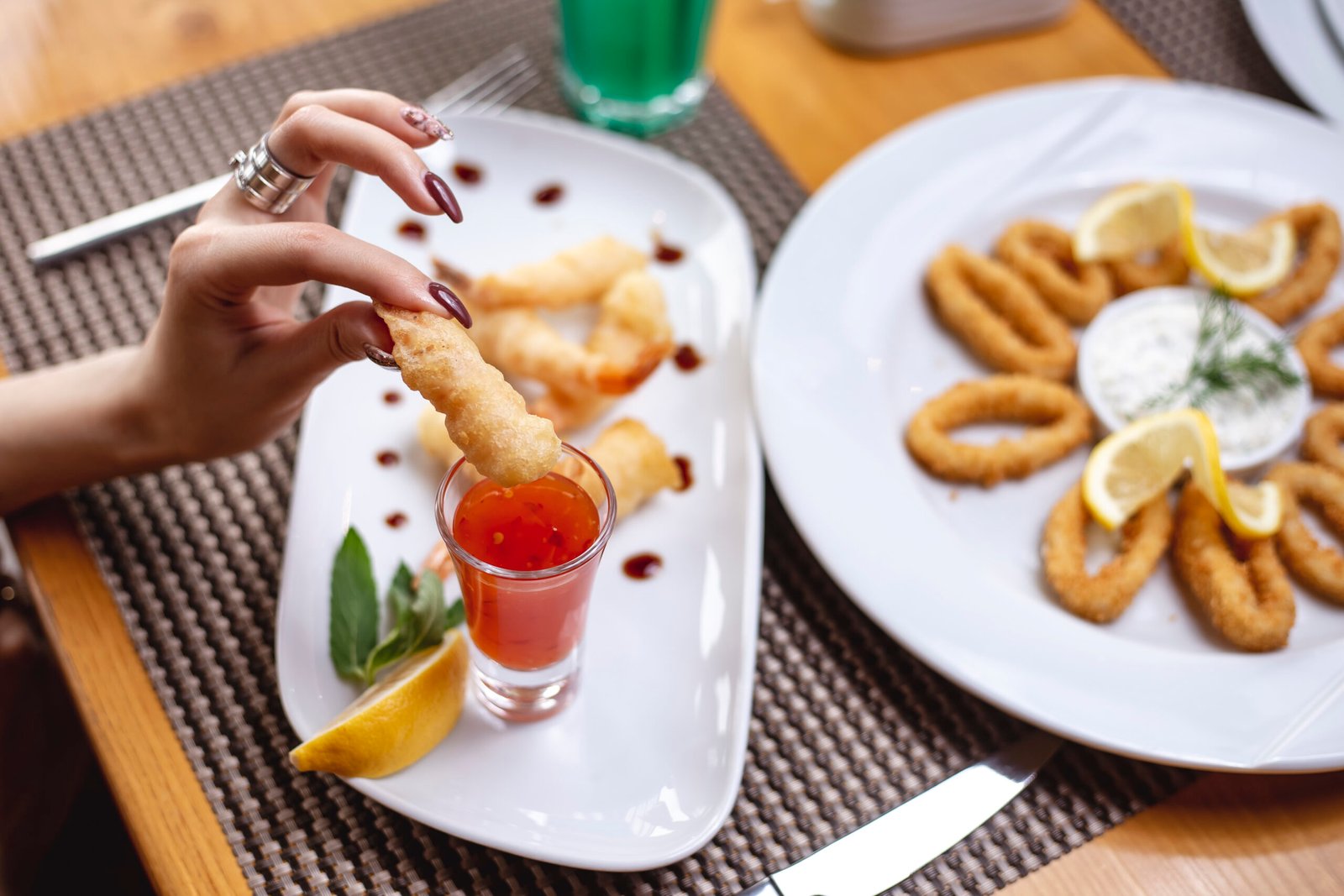
Calamariere is one of those Mediterranean Seafood Dishes that instantly brings to mind sunlit coasts, bustling fish markets, and family meals shared around a long table. At its heart, Calamariere is a Squid Recipe built on freshness, simplicity, and careful technique. Yet it is much more than Fried Calamari. It represents generations of Coastal Cooking, where fishermen and home cooks turned the day’s catch into something comforting and memorable.
In this complete guide, you will discover what Calamariere truly is, where it comes from, how to make it at home, and how to elevate it with the right sides and wine. Whether you are a curious food lover or someone ready to master a Classic Mediterranean Seafood Dish, this article will give you the knowledge and confidence to do it well.
Table of Contents
ToggleQuick Bio Information
Name: Calamariere
Origin: Mediterranean Coastal Regions
Main Ingredient: Fresh Squid
Cooking Method: Quick Frying Or Grilling
Flavor Profile: Light, Savory, Slightly Sweet
Texture: Crisp Outside, Tender Inside
Traditional Seasoning: Salt, Pepper, Garlic, Parsley
Common Garnish: Lemon Wedges
Oil Used: Olive Oil Or Neutral Frying Oil
Ideal Oil Temperature: 350°F Or 175°C
Typical Cooking Time: Two To Three Minutes
Popular Regions: Italy And Spain
Diet Style: Mediterranean Diet
Best Wine Pairing: Sauvignon Blanc
Health Benefit: High Protein Content
Common Mistake: Overcooking
Modern Twist: Air Fryer Version
Serving Style: Appetizer Or Main Dish
What Is Calamariere?
Calamariere is a traditional Mediterranean preparation of squid, usually lightly battered or simply seasoned and quickly fried to preserve tenderness. The word is closely connected to “Calamari,” the Italian term for squid, which has long been a staple in coastal regions of Southern Europe. Unlike heavily breaded versions found in some fast-food settings, authentic Calamariere focuses on clean flavors, a delicate crust, and a soft interior.
A proper Calamariere Recipe highlights the natural sweetness of squid. Garlic, Parsley, Lemon, Olive Oil, and a light dusting of Flour are often enough. The goal is balance. The squid should never feel greasy or rubbery. Instead, it should be crisp on the outside and tender inside. That texture contrast is what defines a well-made Calamariere.
The Mediterranean Roots Of Calamariere
The story of Calamariere begins along the Mediterranean Coast, especially in parts of Italy and Spain, where seafood has shaped daily life for centuries. Fishing communities relied on simple cooking methods that respected the ingredient. Squid, abundant and affordable, became a regular feature on family tables.
Historical cookbooks from the nineteenth century in Italy describe quick-fried squid dressed with Lemon and Herbs. Spanish coastal cuisine also developed similar dishes, sometimes adding Paprika or serving squid with Aioli. Trade and migration across the Mediterranean allowed flavors and techniques to blend, and Calamariere evolved into a beloved Seafood Dish with regional accents.
Today, Calamariere remains a symbol of Mediterranean Hospitality. It is often served as an appetizer in seaside restaurants, but it also appears in home kitchens during gatherings and celebrations.
Why Fresh Squid Matters So Much
If there is one rule in preparing Calamariere, it is this: use fresh squid whenever possible. Fresh squid should smell clean, like the ocean, not overly fishy. The flesh should be firm and slightly glossy. When pressed gently, it should spring back.
Freshness affects both taste and texture. Squid contains delicate muscle fibers that toughen if mishandled or overcooked. When the squid is fresh and cooked correctly, it remains tender and slightly sweet. Frozen squid can also work, especially in regions where fresh seafood is not easily available, but it must be thawed slowly in the refrigerator to preserve quality.
Understanding the ingredient is part of mastering Calamariere. Respecting the seafood ensures that the final dish lives up to its Mediterranean reputation.
Essential Ingredients For A Traditional Calamariere Recipe
A Classic Calamariere Recipe relies on a short list of quality ingredients. Squid is the star. Beyond that, most traditional versions include Flour for a light coating, Sea Salt, Freshly Ground Black Pepper, Garlic, and Chopped Parsley. A squeeze of Lemon Juice at the end brightens the dish.
In many Mediterranean kitchens, Olive Oil is used for frying or finishing. Some cooks prefer neutral oils with high smoke points, but Olive Oil adds depth and authenticity. In certain regional variations, a pinch of Smoked Paprika or a touch of Chili Flakes introduces gentle heat.
The beauty of Calamariere lies in its simplicity. It does not require complicated marinades or heavy sauces. The ingredients should enhance, not overpower, the natural flavor of the squid.
Tools And Equipment For Perfect Results
Making Calamariere at home does not require professional equipment, but a few tools make the process easier. A Sharp Knife is essential for cleaning and slicing the squid into even rings. Uniform pieces cook evenly, which is critical for texture.
A Deep Skillet or Heavy Pan helps maintain stable oil temperature. Ideally, the oil should be heated to about 350°F or 175°C. A Kitchen Thermometer is highly recommended to avoid guesswork. If the oil is too cool, the squid absorbs excess oil and becomes soggy. If too hot, the exterior burns before the inside cooks.
Tongs are useful for gently turning the squid during frying. Paper Towels or a Wire Rack allow excess oil to drain. These simple tools ensure that your Calamariere turns out crisp and light.
Step-By-Step Guide To Making Calamariere At Home
Begin by cleaning the squid. Remove the head, innards, and transparent cartilage. Rinse gently under cold water and pat dry. Slice the body into rings and leave the small tentacles whole if desired.
Lightly coat the squid in seasoned Flour. Shake off any excess. Heat the oil to the proper temperature. Fry the squid in small batches for about two to three minutes. The cooking time is short. Squid cooks quickly, and overcooking leads to a rubbery texture.
Once golden and lightly crisp, transfer the squid to drain. Immediately season with Salt and a squeeze of Lemon. Sprinkle Fresh Parsley over the top. Serve at once. Calamariere is best enjoyed hot, straight from the pan.
Common Mistakes To Avoid
Even a simple Squid Recipe can go wrong without attention to detail. The most common mistake is overcooking. Squid becomes tough when exposed to heat for too long. The solution is quick frying at the right temperature.
Another mistake is overcrowding the pan. When too many pieces are added at once, the oil temperature drops. This results in greasy Calamariere rather than a crisp finish. Working in batches solves this problem.
Using thick batter is another issue. Traditional Calamariere is lightly coated, not buried in heavy breading. Keeping the coating thin ensures that the squid remains the focus.
Delicious Variations And Modern Twists
While Classic Calamariere is usually fried, modern kitchens explore other methods. Grilled Calamariere has gained popularity for those seeking a lighter option. The squid is brushed with Olive Oil, seasoned, and quickly grilled, resulting in smoky flavor and fewer calories.
Some chefs add Mediterranean ingredients like Capers, Cherry Tomatoes, or White Wine for a slightly more complex dish. In Spain, a touch of Smoked Paprika creates a deeper color and flavor. In parts of Italy, Calamariere may be served with a light Tomato Sauce or alongside Pasta.
For 2025, many home cooks also experiment with Air Fryers. While not traditional, this method can produce a crisp exterior with less oil. The key remains the same: avoid overcooking.
Best Side Dishes To Serve With Calamariere
Calamariere shines when paired with simple sides. A Fresh Arugula Salad dressed with Lemon Vinaigrette balances the richness of fried squid. Roasted Mediterranean Vegetables such as Zucchini, Bell Peppers, and Eggplant add color and flavor.
In some regions, Calamariere is served with Garlic Mashed Potatoes or Light Rice Dishes. A slice of Crusty Bread is perfect for soaking up any juices. The sides should complement, not compete with, the seafood.
Wine Pairing For Calamariere
Wine pairing enhances the dining experience. Crisp White Wines like Sauvignon Blanc or Pinot Grigio work beautifully with Calamariere. Their acidity cuts through the light frying and refreshes the palate.
For those who prefer Red Wine, a light-bodied Pinot Noir served slightly chilled can pair well, especially with grilled versions. Sparkling Wines are also a popular choice in Mediterranean settings, as the bubbles cleanse the palate between bites.
Choosing the right wine turns a simple Seafood Dish into a refined meal.
Nutritional Value And Health Benefits
Squid is a good source of Protein and contains essential nutrients such as Vitamin B12, Selenium, and Omega-3 Fatty Acids. When prepared with minimal oil, Calamariere can fit into a balanced diet. However, deep frying increases calorie content, so portion size matters.
Grilled or lightly sautéed versions provide a healthier alternative while still delivering flavor. As with many Mediterranean Seafood Dishes, the emphasis on fresh ingredients and moderate portions aligns with the widely respected Mediterranean Diet.
Storage And Reheating Tips
Calamariere is best enjoyed fresh, but leftovers can be stored in the refrigerator for up to two days. Place them in an airtight container. To reheat, use an oven or Air Fryer to restore crispness. Avoid microwaving, as it softens the coating and can toughen the squid.
Freezing cooked Calamariere is not ideal, as texture suffers. If needed, freeze uncooked cleaned squid instead and prepare fresh when ready.
When To Serve Calamariere
Calamariere is versatile. It works as an Appetizer at dinner parties, a Main Course in a Mediterranean-themed meal, or even a sharing plate during gatherings. Its quick preparation makes it suitable for both casual lunches and special occasions.
Presentation matters. Serve Calamariere on a wide platter with Lemon Wedges and a sprinkle of Parsley. The visual appeal enhances the overall experience.
Final Thoughts
Calamariere remains a Classic Mediterranean Seafood Dish because it respects simplicity. With fresh squid, proper technique, and thoughtful seasoning, it transforms a humble ingredient into something elegant. From its Mediterranean Roots to modern kitchen adaptations in 2025, Calamariere continues to delight food lovers around the world.
If you approach it with care and attention, you will discover that Calamariere is not difficult to master. It simply asks you to value freshness, timing, and balance. Once you understand these principles, you can confidently prepare a dish that carries centuries of tradition to your own table.
FAQs About Calamariere
What Is The Difference Between Calamari And Calamariere?
Calamari refers to squid itself, while Calamariere describes a specific Mediterranean preparation of squid, usually lightly coated and quickly fried or grilled with simple seasonings.
Why Does Squid Become Rubbery?
Squid becomes rubbery when overcooked. It requires very short cooking time at high heat. Cooking it either very quickly or very slowly for stews prevents toughness, but for Calamariere, quick frying is essential.
Can I Make Calamariere Without Frying?
Yes. Grilling or using an Air Fryer offers a lighter option. The key is still short cooking time and proper seasoning to preserve tenderness.
Is Calamariere Healthy?
When prepared lightly and eaten in moderation, Calamariere provides Protein and important nutrients. Grilled versions are lower in calories than deep-fried ones.
What Oil Is Best For Frying Calamariere?
Olive Oil is traditional in Mediterranean cooking, but neutral oils with high smoke points also work well. The most important factor is maintaining the correct temperature.
Can I Prepare Calamariere In Advance?
It is best served immediately after cooking. While you can clean and prepare the squid in advance, frying should be done just before serving for optimal texture.
What Sauces Go Well With Calamariere?
Simple Lemon Aioli, Garlic Sauce, or Light Tomato Sauce pair well. However, traditional Calamariere often needs nothing more than Lemon and Fresh Herbs.
People Also Read: Escapamento RD Explained: Why This Two-Stroke Exhaust Made Yamaha A Legend