
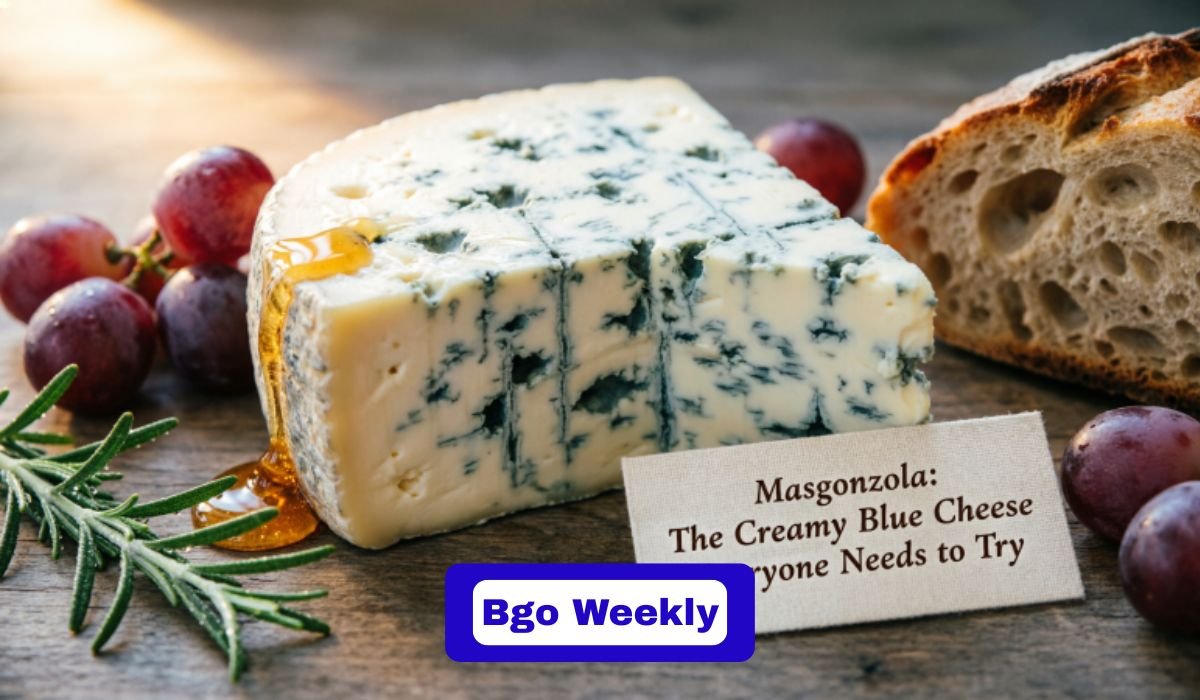
Introduction: Meet Masgonzola – Italy’s Creamy Blue Cheese
Masgonzola. Say it slowly and let the name roll on your tongue. It evokes indulgence, elegance, and a little curiosity. This modern Italian cheese is not just another blue cheese; it is a marriage of Mascarpone and Gorgonzola Dolce, creating a luxurious spreadable delight that has captured the hearts of food lovers worldwide. If you’ve ever found traditional blue cheeses too sharp or overpowering, Masgonzola offers a gentle yet flavorful alternative that is approachable for beginners but still satisfying for experienced cheese enthusiasts. In this article, we will explore everything about Masgonzola—from its origins and flavor to culinary uses, pairings, and practical tips—so you can enjoy this creamy blue cheese to the fullest.
Quick Bio Information About Masgonzola
Masgonzola is a unique blue cheese blend with a rich heritage and contemporary appeal. Its origins are in Lombardy, Italy. It is a combination of Mascarpone and Gorgonzola Dolce. It is spreadable and soft, unlike crumbly traditional blue cheeses. It is mild yet flavorful, offering a balance of sweet and tangy. It can be eaten fresh or slightly aged. Ideal for cheese boards, cooking, and desserts. Its marbled blue veins make it visually striking. It melts beautifully in sauces, risottos, and pizzas. It pairs well with sweet wines, light reds, robust reds, beers, and non-alcoholic drinks. It is simple to make at home by folding Gorgonzola into Mascarpone. It has a short shelf life and should be stored in the fridge. It is versatile in both sweet and savory applications. Masgonzola caters to beginners and cheese aficionados alike. It has inspired modern culinary creativity. It is high in fat and indulgent, perfect for occasional treats. It bridges tradition and modern innovation in Italian cheese culture.
What Is Masgonzola
Masgonzola is a unique Italian blue cheese that blends two classic cheeses into a harmonious whole. Mascarpone, known for its rich, silky, and slightly sweet profile, combines with Gorgonzola Dolce, a young and creamy blue cheese with a mild tang. The result is a smooth, spreadable cheese with marbled blue veins and a perfect balance of sweetness and blue cheese complexity. Unlike traditional Gorgonzola, which can be crumbly and tangy, Masgonzola is soft, velvety, and ideal for those who want the experience of blue cheese without an overpowering bite. It is versatile, visually appealing, and a true culinary innovation that reflects both Italian tradition and modern creativity.
Origins and Italian Craftsmanship
The story of Masgonzola begins in the heart of Italy, particularly in Lombardy, a region famed for its dairy expertise and blue cheese production. While Mascarpone and Gorgonzola Dolce have centuries-old histories, Masgonzola itself is a modern fusion that emerged from experimental Italian cheesemakers seeking a more approachable blue cheese experience. Its name, combining “Mas” from Mascarpone and “Gonzola” from Gorgonzola, reflects its essence. Artisans carefully layer or fold Mascarpone into Gorgonzola Dolce, sometimes allowing a brief aging period to meld flavors, while other times selling it fresh to emphasize brightness and creaminess. This meticulous craftsmanship ensures that each wheel or tub of Masgonzola carries a balanced, indulgent flavor that is both soft and complex.
Flavor Profile and Texture
The first bite of Masgonzola is immediately luxurious. The creamy Mascarpone coats the palate with a rich, buttery sweetness, followed by the gentle tang of Gorgonzola Dolce that unfolds gradually. The finish is soft, slightly nutty, and lingering with mellow earthiness. Its flavor is intentionally milder than older, sharper blues like Roquefort, making it accessible without sacrificing depth. Visually, Masgonzola is striking: ivory or pale cream interspersed with deep blue veins, forming an elegant marbling pattern. Its texture is consistently velvety, allowing it to spread smoothly on bread, crackers, or fresh fruit. This creaminess sets Masgonzola apart from crumbly traditional blue cheeses and makes it an ideal centerpiece for cheese boards or culinary creations.
How Masgonzola Is Made
Masgonzola’s creation is a delicate blend of artistry and science. The process begins with Mascarpone, where cultured cream is thickened gently to achieve its signature silky texture. Simultaneously, Gorgonzola Dolce is prepared, a mild blue cheese with subtle tang. These two components are then combined through careful folding or layering to preserve the marbling effect. Some producers allow a short aging period to meld flavors, but many sell it fresh, highlighting the brightness and creamy profile of the cheese. The balance is crucial: too much Gorgonzola and the tang dominates, too little and the richness lacks contrast. The result is a harmonious cheese that is creamy, flavorful, and visually appealing.
Why Masgonzola Stands Out
Masgonzola is not just another blue cheese; it is a gateway for cheese enthusiasts. It stands out because it offers the indulgence and complexity of blue cheese in a more approachable form. Its soft, spreadable texture allows it to be enjoyed in a variety of ways—from simple toast to elaborate dishes. The visual appeal of the marbled blue veins adds elegance to any cheese board. It bridges the gap between richness and tang, allowing even those new to blue cheese to enjoy the experience without intimidation. For seasoned blue cheese lovers, it offers a fresh perspective, combining the best of Mascarpone’s silkiness with the mild bite of Gorgonzola Dolce.
Culinary Uses of Masgonzola
Masgonzola’s versatility is one of its most attractive features. On cheese boards, it pairs beautifully with figs, pears, honey, and crusty bread, creating a visual and culinary delight. In the kitchen, it transforms dishes with its creamy consistency. In pasta and risotto, it melts into a velvety sauce that coats every bite with richness and subtle tang. On pizza, it can be dolloped atop caramelized onions or arugula, enhancing flavor without overpowering other ingredients. Stuffed pasta, like ravioli or tortellini, gains a decadent twist with Masgonzola filling. For main courses, it can enrich chicken breasts or roasted vegetables, while its mild sweetness also makes it an excellent ingredient in dessert boards or even savory-sweet cheesecakes. Its adaptability allows it to complement both savory and sweet creations effortlessly.
Pairing Masgonzola with Drinks
Choosing the right drink enhances the Masgonzola experience. Wines such as Sauternes, Riesling, or Moscato d’Asti balance the cheese’s richness with sweetness, while light reds like Pinot Noir or Beaujolais complement fruity flavors. Robust reds such as Barolo or Vin Santo provide an appealing contrast to the creamy tang. For beer lovers, Belgian ales, wheat beers, and crisp pilsners work beautifully, cutting through the richness and refreshing the palate. Non-alcoholic options, like sparkling water with citrus or light apple cider, are also excellent companions, offering crispness to offset the cheese’s indulgence. Pairings highlight Masgonzola’s balance of sweetness and tang, ensuring every bite and sip is harmonious.
Buying, Storing, and Homemade Tips
When purchasing Masgonzola, look for specialty cheese shops, gourmet grocers, or online artisan retailers. Quality indicators include a soft, spreadable texture, a mild aroma, and visually appealing blue marbling. For storage, wrap the cheese in wax or parchment paper, then place it in a loose foil or airtight container in the fridge’s vegetable drawer at 4–6°C. Consume within one to two weeks for optimal flavor. Freezing is not recommended, as it disrupts texture, though thawed Masgonzola is still suitable for cooking. Making it at home is surprisingly simple: fold 2–3 ounces of Gorgonzola Dolce into 8 ounces of Mascarpone, adjust the ratio to suit your preferred tanginess or creaminess, chill, and enjoy.
Comparing Masgonzola to Other Blue Cheeses
Masgonzola occupies a unique place among blue cheeses. Compared to Gorgonzola Dolce, it is creamier and more spreadable. Gorgonzola Piccante is crumbly and strong, catering to bold palates, while Roquefort or Stilton are robust and complex, suitable for traditional pairings. Masgonzola offers a middle ground: rich yet gentle, luxurious yet approachable. Its versatility and visual appeal make it suitable for a wider audience, from newcomers to blue cheese aficionados, and its blend of flavors ensures it works well in both cooking and simple serving applications.
Benefits, Drawbacks, and Who It’s For
Masgonzola offers several benefits. It is an excellent gateway for those new to blue cheese, visually stunning with its marbling, versatile in both sweet and savory dishes, and customizable for home cooks. However, it is rich and high in fat, not widely available, has a short shelf life, and some versions contain animal rennet. Ideal for cheese lovers, culinary explorers, and anyone interested in gourmet experiences, Masgonzola is perfect for those seeking indulgence without the intensity of traditional blues.
Masgonzola in the Context of Food Trends
Modern food culture increasingly celebrates fusion, indulgence, and accessibility, all of which are embodied by Masgonzola. It reflects culinary creativity, bringing tradition into contemporary contexts. Cheese courses and curated tasting experiences are trending, with spreads and dips taking center stage. The rise of online food content has also popularized inventive names like “Masgonzola,” sparking curiosity and experimentation. It is not just a cheese but a cultural experience, allowing food enthusiasts to explore textures, flavors, and presentation in a modern, approachable way.
Conclusion
Masgonzola is more than just a cheese; it is an invitation to indulge, experiment, and explore the delights of Italian culinary artistry. Its creamy, spreadable texture, gentle blue tang, and elegant marbling make it suitable for beginners, enthusiasts, and seasoned chefs alike. From cheese boards to risotto, from savory mains to dessert innovations, Masgonzola brings versatility and sophistication to every dish. Whether enjoyed on its own or paired with wine, beer, or sparkling beverages, it delivers a balanced, luxurious experience that is both comforting and exciting. For anyone looking to elevate their cheese experience, Masgonzola is truly a must-try.
FAQs About Masgonzola
What Is Masgonzola Cheese?
Masgonzola is a creamy blue cheese made by blending Mascarpone with Gorgonzola Dolce, creating a soft, spreadable cheese with a balanced sweet and tangy flavor.
Is Masgonzola The Same As Gorgonzola Dolce?
No. Gorgonzola Dolce is a young blue cheese with mild tang. Masgonzola combines it with Mascarpone for added creaminess and a softer, more luxurious texture.
Can I Cook With Masgonzola?
Yes. Masgonzola melts beautifully, making it perfect for pasta, risotto, stuffed pasta, pizza, roasted vegetables, and even savory desserts.
How Should I Store Masgonzola?
Wrap it in wax or parchment paper, place it in an airtight container, and refrigerate at 4–6°C. Consume within 1–2 weeks. Freezing is not recommended.
Can I Make Masgonzola At Home?
Absolutely. Simply fold Gorgonzola into Mascarpone, adjust to taste, chill, and serve. It is easy, quick, and customizable.
What Drinks Pair Well With Masgonzola?
Sweet wines like Sauternes or Moscato, light reds such as Pinot Noir, robust reds like Barolo, Belgian ales, wheat beers, sparkling water with citrus, and apple cider all complement Masgonzola’s flavor.
What Dishes Are Best With Masgonzola?
Cheese boards, pasta, risotto, pizza, stuffed ravioli, roasted vegetables, chicken, salads, dessert boards, and cheesecakes all benefit from Masgonzola’s creamy texture and balanced flavor.
Who Is Masgonzola Ideal For?
It is perfect for beginners who want a mild blue cheese, seasoned cheese lovers looking for a luxurious variation, and chefs seeking versatility in both savory and sweet dishes.
People Also Read: Frehf Explained: How This Trendy Word Shapes Modern Culture