
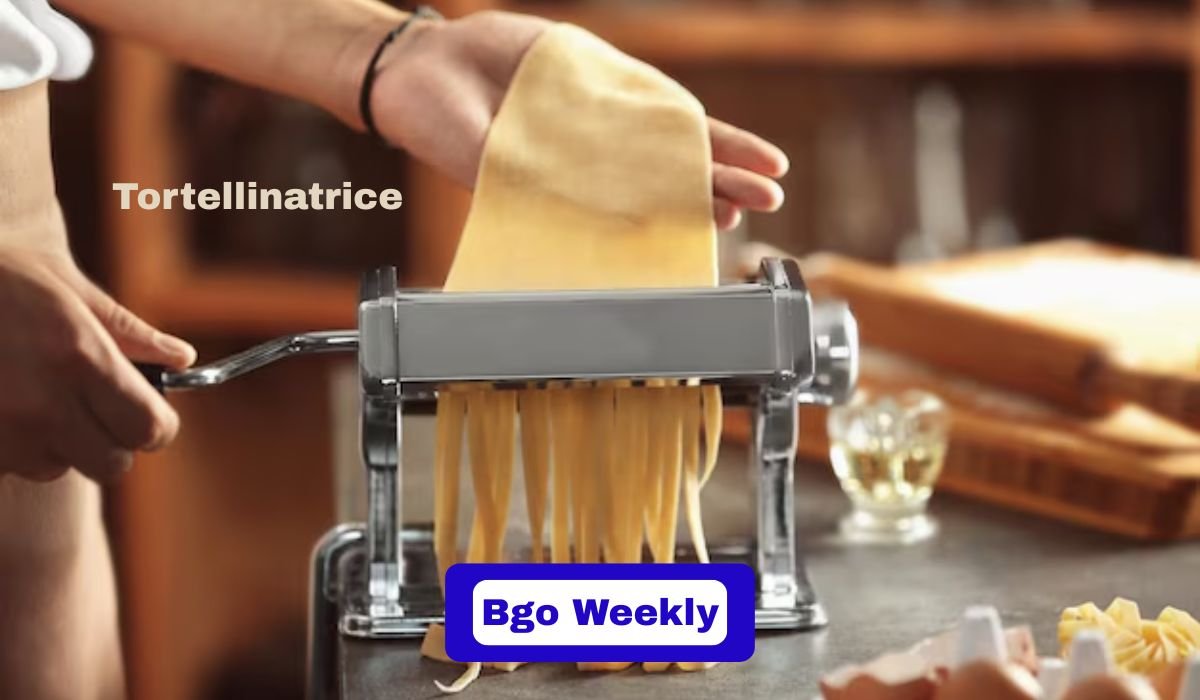
Italy is a country where pasta is more than food; it is culture, craftsmanship, and a symbol of togetherness. Among the many types of Italian pasta, tortellini stands out as one of the most iconic, celebrated for its delicate ring shape, flavorful fillings, and artisanal appeal. Traditionally, making tortellini by hand has been a labor-intensive process, requiring skill, patience, and attention to detail. This is where the Tortellinatrice comes into play. Designed to honor tradition while bringing modern efficiency into kitchens, this specialized machine has revolutionized the way tortellini is produced in both home and professional settings. In this article, we will explore every detail about the Tortellinatrice, its uses, benefits, types, and practical tips for anyone interested in mastering perfect tortellini.
Quick Bio Information About Tortellinatrice
The Tortellinatrice is a remarkable piece of culinary equipment with a rich history and technical sophistication. Here are key facts and insights:
Invented to combine artisanal tradition with modern automation.
Specifically designed for tortellini and similar stuffed pasta.
Handles dough rolling, filling, folding, sealing, and cutting in one workflow.
Available in manual, semi-automatic, and fully automatic models.
Adjustable molds allow for different shapes and sizes.
Digital controls enable precise portioning and speed adjustments.
Stainless steel construction ensures durability and hygiene.
Used by home cooks, restaurants, artisanal shops, and commercial manufacturers.
Reduces manual labor and improves efficiency in busy kitchens.
Ensures uniform size and shape for even cooking and professional presentation.
Supports creative fillings and dough types, including gluten-free and gourmet options.
Maintenance requires daily cleaning and occasional lubrication.
Available in countertop and industrial-scale designs.
Helps minimize dough and filling waste.
Preserves the flavor, texture, and visual appeal of authentic tortellini.
Can be integrated with larger pasta production lines for industrial use.
Calibration allows consistent production batch after batch.
Reduces fatigue and repetitive strain for kitchen staff.
Encourages experimentation with seasonal or specialty ingredients.
Represents a bridge between traditional craftsmanship and modern culinary efficiency.
What Is A Tortellinatrice
The Tortellinatrice is a specialized pasta-making machine specifically engineered to automate the production of tortellini and other stuffed pastas. Unlike traditional rollers or hand tools, it handles multiple steps in a single, streamlined process. Dough is rolled to uniform thickness, measured portions of filling are deposited, the pasta is folded and shaped, edges are sealed, and the finished tortellini are cut and ejected for cooking or storage. The term itself comes from Italian, where “tortellini” refers to the pasta and “-atrice” indicates a machine that performs a task. Essentially, the Tortellinatrice is the ultimate “tortellini maker,” blending precision, consistency, and tradition.
The Evolution Of Tortellini Making
For centuries, tortellini was crafted entirely by hand, a skill passed down through generations in regions such as Bologna and Modena. Each tortellino required careful folding, filling, and sealing, a process that could take hours even for experienced pasta makers. As the popularity of fresh pasta grew and commercial kitchens sought to meet higher demands, traditional methods struggled to keep up without compromising quality. This led to the invention and widespread adoption of the Tortellinatrice, a machine that preserves the artisanal quality of tortellini while drastically improving speed, efficiency, and consistency.
How A Tortellinatrice Works
The workflow of a Tortellinatrice mimics the steps of manual pasta-making but with mechanical precision. Dough is first fed into rollers, flattening it to a consistent thickness. A filling unit deposits measured amounts of cheese, meat, or vegetable fillings onto the dough. The machine then folds and shapes each parcel, seals the edges to prevent leakage during cooking, and cuts the tortellini to uniform size. Finished pieces are smoothly ejected onto trays or pans for immediate cooking, drying, or freezing. Every step is designed to replicate the artistry of hand-making tortellini while eliminating the variability and fatigue associated with manual labor.
Types Of Tortellinatrice Machines
Tortellinatrice machines are available in three main types, each suited to different levels of production and user needs. Manual models are hand-cranked and ideal for home kitchens or small-scale operations, offering tactile control but requiring physical effort. Semi-automatic machines combine manual and automated features, making them suitable for boutique pasta shops and small restaurants. Fully automatic machines are designed for industrial or high-volume production, handling continuous batches with programmable settings, digital controls, and integration with larger pasta processing lines. Choosing the right type depends on volume requirements, workspace, and the balance between automation and personal involvement.
Key Features To Look For
A high-quality Tortellinatrice is built to provide reliability, hygiene, and versatility. Adjustable rollers allow for precise control of dough thickness, while interchangeable molds enable different tortellini sizes and shapes. Digital controls make it easy to set consistent portion sizes, sealing pressures, and speeds. Stainless steel construction ensures durability and simplifies cleaning. Some advanced models include safety sensors, automatic lubrication systems, and specialized filling pumps for delicate ingredients. These features not only maintain the quality of each piece but also reduce downtime and improve workflow efficiency.
Who Uses A Tortellinatrice
The versatility of the Tortellinatrice makes it appealing across a broad spectrum of users. Home cooks benefit from its ease of use and ability to produce perfect tortellini quickly, enhancing family meals or weekend feasts. Restaurants and trattorie rely on it for consistent portion sizes and faster service during busy hours. Artisanal pasta shops use the machine to scale production without sacrificing flavor or texture. Culinary schools employ it to teach students about pasta-making science while producing practice-ready batches. Even commercial manufacturers integrate Tortellinatrice machines into industrial production lines for packaged tortellini. Wherever efficiency and quality are required, this machine plays a key role.
Benefits Of Using A Tortellinatrice
The benefits of a Tortellinatrice extend far beyond convenience. It ensures exceptional consistency, producing tortellini that are identical in size, thickness, and seal. This uniformity guarantees even cooking, optimal presentation, and a professional finish. Time and labor are significantly reduced, allowing chefs and home cooks to focus on creativity rather than repetitive folding. Cost and waste reduction come naturally through precise portioning and tight sealing. The machine also supports versatility, enabling experimentation with different doughs, fillings, and flavors—from traditional ricotta and spinach to gourmet truffle or pumpkin combinations. Overall, the Tortellinatrice enhances quality, efficiency, and culinary freedom.
Choosing The Right Tortellinatrice
Selecting the ideal Tortellinatrice requires careful consideration of several factors. Begin by evaluating your production volume and the frequency of use. Consider the types of dough and fillings you plan to use, as some delicate ingredients may require specialized molds or adjustable filling pressure. Pay attention to build quality, particularly stainless steel construction, and ensure spare parts are readily available. Assess ease of cleaning, noise levels, and whether digital or manual controls better suit your workflow. Choosing the right machine ensures that it complements your kitchen operations rather than creating limitations.
Maintenance And Best Practices
Maintaining a Tortellinatrice is crucial for consistent performance and long-term durability. Daily cleaning of all food-contact parts prevents dough buildup and flavor cross-contamination. Inspect moving components regularly and replace worn parts promptly. Use food-grade lubricants where recommended and follow manufacturer guidelines for calibration and safety. Regular maintenance ensures hygiene, prolongs machine lifespan, and keeps production reliable. Additionally, keeping a record of settings and adjustments can help replicate perfect tortellini batch after batch.
Step-By-Step Guide To Making Tortellini
Producing perfect tortellini with a Tortellinatrice begins with high-quality ingredients and preparation. Start with fine “00” flour, fresh eggs, and well-rested dough. Prepare smooth, chilled fillings for accurate portioning. Calibrate the machine by running a small test batch, adjusting thickness, portion size, and sealing pressure as needed. Feed the dough and filling into the machine, allowing it to sheet, fill, fold, seal, and cut each piece. Cook the tortellini in salted water until tender, then finish in butter, stock, or light cream to enhance flavor and presentation. With consistent steps and attention to detail, even beginners can achieve professional-quality results.
Conclusion
The Tortellinatrice is more than a kitchen appliance; it is a bridge between the artistry of traditional Italian pasta-making and the demands of modern kitchens. It allows anyone—from home enthusiasts to professional chefs—to produce perfect tortellini consistently and efficiently. By automating labor-intensive steps while preserving the authentic taste, texture, and appearance of handmade pasta, it saves time, reduces waste, and enhances creativity in the kitchen. Whether used for family dinners, restaurant service, or industrial production, the Tortellinatrice demonstrates how tradition and technology can coexist harmoniously, making it an indispensable tool for anyone passionate about pasta. With this machine, the rich heritage of Italian cuisine can be enjoyed fresh at every table, every day.
FAQs About Tortellinatrice
What Is The Main Purpose Of A Tortellinatrice?
The Tortellinatrice automates the process of making tortellini by rolling dough, depositing filling, folding, sealing, and cutting pasta into uniform pieces. Its primary goal is to maintain traditional quality while saving time and labor.
Can I Use A Tortellinatrice At Home?
Yes. Manual and semi-automatic models are designed for home kitchens. They are easy to operate, easy to clean, and ideal for small-scale production without compromising quality.
Does A Tortellinatrice Work With Different Doughs And Fillings?
Absolutely. Modern machines have adjustable settings and interchangeable molds, making it possible to experiment with various dough types, including gluten-free, and diverse fillings like spinach, cheese, meat, or seasonal vegetables.
How Much Maintenance Does A Tortellinatrice Require?
Daily cleaning of all food-contact parts is essential. Moving components should be inspected regularly, and food-grade lubricants applied as needed. Following manufacturer guidelines ensures longevity and consistent performance.
Is A Fully Automatic Tortellinatrice Necessary For Restaurants?
Not always. Semi-automatic machines may be sufficient for boutique restaurants or small pasta shops. Fully automatic units are recommended for high-volume kitchens or industrial production for maximum efficiency.
Does Using A Tortellinatrice Affect The Taste Of Tortellini?
No. When used correctly, it preserves the authentic taste and texture of traditional tortellini. Portioning and sealing are precise, ensuring consistent flavor and cooking results.
Can The Tortellinatrice Make Other Pasta Shapes?
Yes. Many models come with interchangeable molds that allow the production of ravioli, cappelletti, and other stuffed pasta shapes, offering versatility for creative menu options.
People Also Read: Sourthrout Relief: Easy Natural Tips to Soothe Your Throat Fast