
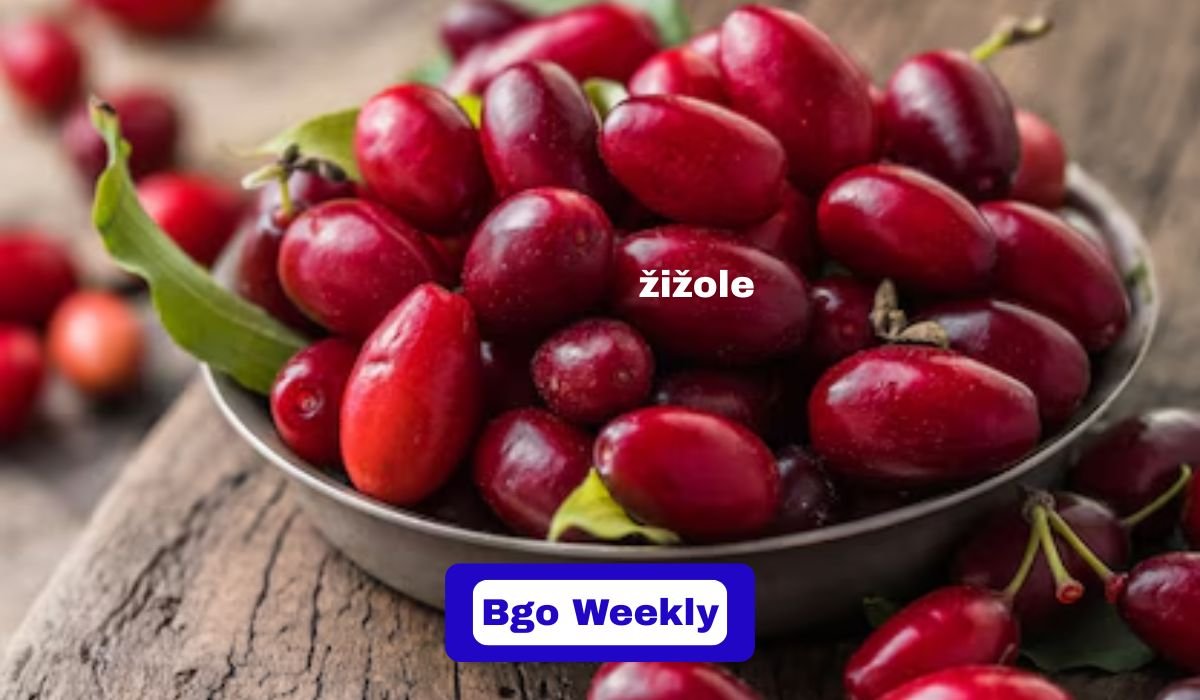
Introduction: Why Žižole Deserves Attention In 2025
Žižole, also known as Jujube Fruit or Chinese Date, is one of the oldest cultivated fruits in the world. Scientifically called Ziziphus jujuba, this small yet powerful fruit has been grown for more than 4,000 years and continues to gain global recognition in 2025 as a Natural Superfruit. Once mainly associated with Traditional Chinese Medicine, Žižole is now valued worldwide for its impressive Nutritional Profile, Antioxidant Content, and wide range of Health Benefits.
Today, as more people look for Plant-Based Nutrition, Functional Foods, and Immune-Supporting Fruits, Žižole stands out as both traditional and modern. It is simple, delicious, and surprisingly nutrient-dense. Whether eaten fresh and crisp like an apple or dried and chewy like a date, Žižole offers a unique combination of taste, culture, and science-backed wellness potential.
Quick Bio Information About Žižole
Scientific Name
Ziziphus jujuba
Common Names
Jujube Fruit, Chinese Date, Žižole
Family
Rhamnaceae
Origin
China
Cultivation History
Over 4,000 Years
Taste Fresh
Crisp And Mildly Sweet
Taste Dried
Chewy And Caramel-Like
Vitamin Highlight
Very High In Vitamin C
Fiber Content
Moderate To High
Main Antioxidants
Flavonoids And Phenolic Compounds
Traditional Use
Sleep And Digestive Support
Climate Preference
Warm And Dry Regions
Tree Type
Deciduous Fruit Tree
Popular Cultivars
Li, Shanxi Li, So
Modern Status
Recognized As A Superfruit
What Is Žižole And Where Did It Come From
Žižole originates from China, where it has been cultivated for thousands of years. Historical records show it was grown as early as 2000 BCE. Over time, it spread to Korea, The Middle East, The Mediterranean Region, and eventually to North America and Australia. Today, it is cultivated in countries such as China, India, Iran, and parts of the United States, especially California and Texas.
The Žižole Tree belongs to the Rhamnaceae Family and is known for its resilience. It thrives in hot climates, tolerates drought, and adapts well to different soil types. This adaptability has helped it remain an important Agricultural Crop across continents. Beyond farming, Žižole also carries Cultural Symbolism. In Chinese traditions, it represents Fertility, Prosperity, and Emotional Well-Being.
Nutritional Profile Of Žižole
One reason Žižole is often called a Superfruit is its rich Nutritional Composition. Fresh Žižole is low in calories yet high in essential nutrients. On average, 100 grams of fresh fruit contains around 79 calories, making it a Light And Healthy Snack.
Žižole is especially rich in Vitamin C. In fact, some varieties contain significantly higher Vitamin C levels than oranges. This powerful antioxidant supports Immune Function and Collagen Production. The fruit also provides Dietary Fiber, which supports Digestive Health and Blood Sugar Regulation. In addition, Žižole contains B Vitamins such as B1, B2, and B3, along with essential minerals including Potassium, Iron, Magnesium, Calcium, Phosphorus, Zinc, Copper, and Selenium.
Fresh Žižole contains natural sugars like Glucose and Fructose. When dried, the sugar concentration increases due to water loss, which makes Dried Žižole sweeter and more energy-dense.
Antioxidants And Bioactive Compounds In Žižole
Modern research highlights Žižole for its Antioxidant Properties. The fruit contains Flavonoids, Phenolic Compounds, Quercetin, and Rutin. These compounds help neutralize Free Radicals in the body, which are unstable molecules linked to Oxidative Stress and Chronic Disease.
Oxidative Stress is associated with aging and various health concerns, including Cardiovascular Issues and Inflammation. The Antioxidants in Žižole may help protect cells from damage and support overall wellness. Researchers continue to explore how these bioactive compounds contribute to Long-Term Health Outcomes.
Immune System Support And Vitamin C Power
Vitamin C plays a central role in Immune Support, and Žižole delivers it generously. Adequate Vitamin C intake supports White Blood Cell Function, enhances Iron Absorption, and strengthens the body’s natural defense system.
Because Žižole also contains Antimicrobial Compounds and Plant-Based Phytochemicals, it may offer additional Immune Benefits beyond basic nutrition. While it is not a replacement for medical treatment, incorporating Vitamin C-Rich Fruits like Žižole into the diet can support everyday resilience.
Digestive Health And Gut Balance
Žižole is a good source of Dietary Fiber, which supports Healthy Digestion. Fiber adds bulk to stool, helps regulate bowel movements, and supports the growth of Beneficial Gut Bacteria.
In Traditional Chinese Medicine, Žižole has long been used to promote Digestive Balance and soothe the digestive tract. Modern understanding supports this traditional use, as fiber-rich foods contribute to improved Gut Microbiome Health. A balanced gut is closely connected to overall wellness, including Metabolic Health and Immune Function.
Sleep Support And Relaxation Benefits
One of the most interesting traditional uses of Žižole is its association with Sleep Support and Relaxation. In Traditional Chinese Medicine, it has been used to calm the mind and support Emotional Balance.
Scientific studies suggest that certain compounds in Žižole, including Saponins and Flavonoids, may influence Neurotransmitters related to relaxation. While research is ongoing, some early findings indicate potential mild calming effects. Drinking Jujube Tea made from dried Žižole is still a popular traditional practice for evening relaxation.
Skin Health And Anti-Aging Support
Healthy Skin depends heavily on Collagen Production and Antioxidant Protection. Because Žižole is rich in Vitamin C, it plays a role in supporting Collagen Synthesis, which helps maintain Skin Elasticity and firmness.
The Antioxidants in Žižole also help protect the skin from environmental stressors. Although eating Žižole cannot replace skincare treatments, it contributes to Nutritional Skin Support from within. A balanced diet rich in Antioxidant-Rich Fruits is widely recommended for maintaining Healthy-Looking Skin.
Heart Health And Blood Sugar Balance
Žižole may also support Cardiovascular Health. Its Fiber Content can help manage Cholesterol Levels by reducing LDL Cholesterol absorption. Potassium supports Healthy Blood Pressure by balancing sodium levels in the body.
Although Žižole tastes sweet, its fiber slows Glucose Absorption, helping moderate Blood Sugar Levels. Fresh Žižole is generally considered a better option for Blood Sugar Control than heavily processed sweets. However, Dried Žižole should be consumed in moderation due to its concentrated sugars.
Fresh Vs Dried Žižole
Fresh Žižole is crisp, mildly sweet, and slightly tart. It resembles a small apple in texture. As it ripens, the skin turns from green to reddish-brown. Dried Žižole becomes wrinkled, chewy, and sweeter, similar to a date.
Nutritionally, Dried Žižole contains more calories and sugar per gram due to water loss. However, it also provides concentrated minerals and fiber. Choosing between Fresh And Dried Žižole depends on dietary goals and personal preference.
How To Eat Žižole In Everyday Life
Žižole is incredibly versatile. Fresh fruit can be eaten raw after washing. It can be sliced into salads or blended into smoothies. Dried Žižole works well in Oatmeal, Energy Bites, and Baked Goods.
Jujube Tea is made by simmering dried fruit in water. In Asian Cuisine, Žižole is added to Soups and Herbal Broths. Its natural sweetness enhances both savory and sweet dishes. Because it is shelf-stable when dried, it also makes a convenient travel snack.
Žižole In Traditional And Modern Medicine
Žižole has deep roots in Traditional Chinese Medicine, where it is believed to strengthen Qi, nourish the Blood, and calm the Spirit. Today, it appears in Dietary Supplements and Herbal Formulas marketed for Stress Relief and Immune Support.
However, most Nutrition Experts recommend consuming the Whole Fruit rather than relying solely on extracts. Whole fruits provide a Complete Nutrient Matrix, including fiber and synergistic plant compounds.
Cultivation And Sustainability Of The Žižole Tree
The Žižole Tree is drought-tolerant and thrives in Warm Climates with well-drained soil. Popular cultivars include Li, Shanxi Li, and So. Farmers value it as a Climate-Resilient Crop.
Its deep root system helps prevent Soil Erosion, making it beneficial for Sustainable Agriculture and Agroforestry Systems. As climate concerns grow, hardy fruit trees like Žižole are gaining renewed importance.
Possible Side Effects And Considerations
Žižole is generally safe for most people. However, Dried Žižole contains concentrated sugar, so individuals managing Diabetes should monitor portion sizes. Allergic reactions are rare but possible. As with any new food, those with medical conditions should consult a Healthcare Professional if unsure.
Conclusion: Should You Add Žižole To Your Diet
Žižole beautifully connects Ancient Tradition with Modern Nutrition Science. It offers Vitamin C, Fiber, Antioxidants, and a long history of cultural use. Whether enjoyed fresh, dried, or brewed as tea, it fits easily into a Balanced Diet.
Rather than replacing other fruits, Žižole adds Nutritional Diversity. In 2025, as people seek Sustainable Crops and Functional Foods, this ancient fruit proves that simple, natural foods still hold powerful value.
FAQs About Žižole
What Does Žižole Taste Like
Fresh Žižole tastes crisp and slightly sweet, similar to a small apple. When dried, it becomes chewy and caramel-like, resembling a date with a richer sweetness.
Is Žižole Good For Daily Consumption
Yes, Fresh Žižole can be enjoyed daily as part of a balanced diet. It provides Vitamin C, Fiber, and Antioxidants. Dried versions should be eaten in moderation due to higher sugar concentration.
Can Žižole Help With Sleep
Traditionally, Žižole has been used for Relaxation and Sleep Support in Traditional Chinese Medicine. Some research suggests its plant compounds may have mild calming effects.
Is Žižole High In Sugar
Fresh Žižole contains natural sugars in moderate amounts. Dried Žižole has higher sugar levels because water is removed, concentrating the sugars.
How Should Žižole Be Stored
Fresh Žižole should be stored in the refrigerator and consumed within a few days. Dried Žižole should be kept in an airtight container in a cool, dry place to extend shelf life.
Žižole remains a powerful example of how Ancient Fruits continue to support Modern Wellness in simple, natural ways.
Please More Read Also: Yalla Choy: The Tea Ritual That Boosts Health And Connection