
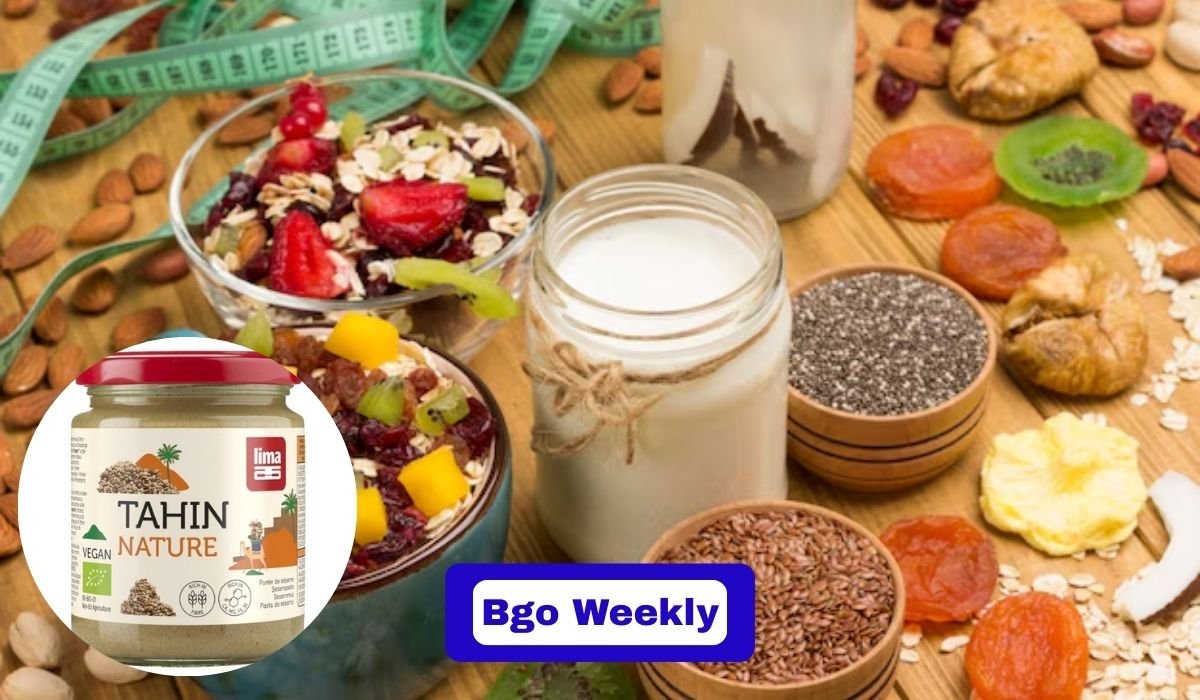
Introduction: Why Tahhiini Deserves Your Attention
Tahhiini is one of those simple foods that quietly carries centuries of history, nutrition, and culinary power in every spoonful. Made from finely ground sesame seeds, Tahhiini has a smooth, creamy texture and a deep nutty flavor that feels both comforting and bold. While many people first discover Tahhiini through hummus, its Uses go far beyond one dip. Today, Tahhiini is valued in Traditional Middle Eastern Cuisine, Modern Plant-Based Cooking, and even contemporary baking.
As interest in Natural Ingredients and Whole Foods continues to grow in 2025, Tahhiini stands out as a Nutrient-Dense, Plant-Based Staple. It offers Healthy Fats, Plant Protein, and essential Minerals, all packed into a simple paste made from one main ingredient. In this complete guide, you will learn what Tahhiini is, how Tahhiini is made, its Nutrition Facts, its Health Benefits, and the many creative ways you can use it in your own kitchen.
Quick Bio Information About Tahhiini
Origin Region: Middle East And Mediterranean
Main Ingredient: Sesame Seeds
Common Form: Smooth Paste
Primary Nutrients: Healthy Fats And Plant Protein
Key Minerals: Calcium And Magnesium
Antioxidant Compounds: Sesamin And Sesamol
Color Range: Light Beige To Dark Brown
Texture: Thick And Pourable
Flavor Profile: Nutty And Slightly Bitter
Diet Type: Vegan And Plant-Based
Traditional Dish: Hummus
Popular Sweet: Halva
Shelf Life: Several Months When Stored Properly
Allergen: Sesame
Cooking Role: Sauce Base And Flavor Enhancer
Global Popularity: Increasing In Modern Diets
What Exactly Is Tahhiini?
Tahhiini, often spelled Tahini, is a thick Sesame Seed Paste made by grinding toasted or raw sesame seeds into a smooth consistency. At its core, Tahhiini contains only sesame seeds. The natural oils inside the seeds are released during grinding, which creates its creamy texture without the need for dairy or added fats.
There are two main types of Tahhiini. Hulled Tahhiini is made from sesame seeds with the outer shell removed. This version is lighter in color, smoother, and milder in flavor. Unhulled Tahhiini keeps the outer layer intact, resulting in a darker paste with a slightly stronger, more bitter taste and higher fiber content. Both types are nutritious, but Hulled Tahhiini is more common in stores because of its smoother texture.
The flavor of Tahhiini is earthy and nutty with a subtle bitterness. That slight bitterness is natural and often balances beautifully with Lemon Juice, Garlic, Honey, or Sweet Ingredients in recipes.
The History Of Tahhiini: From Ancient Fields To Modern Kitchens
The story of Tahhiini begins with Sesame Seeds, one of the oldest cultivated oil crops in human history. Archaeological evidence shows that sesame was grown in parts of the Middle East and South Asia thousands of years ago. Ancient civilizations valued sesame for its high oil content and long shelf life.
Ground Sesame Paste became popular in Ancient Middle Eastern and Mediterranean Regions, where sesame thrived in warm climates. Historical records from Arabic and Persian texts describe sesame-based sauces and pastes used in savory dishes and sweets. Over time, trade routes helped spread Tahhiini across North Africa, Turkey, Greece, and beyond.
Today, Tahhiini is a foundational ingredient in Levantine Cuisine and is increasingly used worldwide. As global interest in Plant-Based Nutrition and Mediterranean Diet Patterns grows, Tahhiini has found a new audience far beyond its traditional roots.
How Tahhiini Is Made: Step-By-Step Process
Understanding how Tahhiini is made helps you appreciate its quality and flavor. The process begins with carefully selecting high-quality Sesame Seeds. These seeds must be clean, dry, and free from impurities.
The seeds are washed to remove dust and debris, then dried completely. After drying, they are lightly roasted in most commercial production. Roasting enhances aroma and brings out the rich, nutty flavor. Light Roasting creates a milder taste, while Dark Roasting produces deeper flavor but can introduce bitterness if overdone.
Once roasted, the seeds are cooled and ground using stone mills or modern industrial grinders. As grinding continues, the seeds release Natural Sesame Oil, transforming the mixture into a smooth paste. No water is added. Some manufacturers may add a small amount of neutral oil to adjust consistency, but High-Quality Tahhiini usually contains only Sesame Seeds.
The final texture should be thick yet pourable, smooth rather than gritty, and pleasantly aromatic.
Tahhiini Nutrition Facts: What Is Inside A Spoonful?
Tahhiini Nutrition is impressive for such a simple food. One tablespoon of Tahhiini contains roughly 90 to 100 calories, primarily from Healthy Fats. These fats are mostly Monounsaturated Fats and Polyunsaturated Fats, which are widely recognized in nutrition research as beneficial when consumed in moderation.
Tahhiini also provides about 3 grams of Plant-Based Protein per tablespoon. It contains Dietary Fiber, which supports Digestive Health. In terms of minerals, Tahhiini is rich in Calcium, Iron, Magnesium, Phosphorus, and Zinc. These nutrients support Bone Health, Energy Production, Immune Function, and Muscle Performance.
Sesame Seeds naturally contain compounds known as Lignans, including Sesamin and Sesamol. These act as Antioxidants, helping protect cells from oxidative stress. Because Tahhiini is calorie-dense, portion control is important, but even small servings deliver meaningful nutrition.
Health Benefits Of Tahhiini You Should Know
Many people search for Tahhiini Benefits, and the interest is justified. The Healthy Fats in Tahhiini support Heart Health by contributing to balanced cholesterol levels when part of a balanced diet. Research on sesame consumption suggests that sesame compounds may help reduce inflammation markers.
The Calcium and Magnesium in Tahhiini support Strong Bones and Teeth. Iron contributes to healthy blood function and energy levels. The combination of Fat and Protein makes Tahhiini a steady energy source, helping prevent rapid spikes and crashes in blood sugar when eaten with balanced meals.
The Fiber in Unhulled Tahhiini may promote better Digestion. Additionally, the Antioxidants found in sesame help protect the body against cellular damage. While Tahhiini is not a miracle food, it is a smart, nutrient-rich addition to many diets.
Traditional Uses Of Tahhiini In Savory Dishes
Tahhiini Uses in savory cooking are vast and deeply rooted in tradition. It is best known as a key ingredient in Hummus and Baba Ghanoush. In Hummus, Tahhiini adds creaminess and depth, balancing the flavor of Chickpeas and Lemon.
Tahhiini Sauce is another popular preparation. When mixed with Lemon Juice, Garlic, and Water, it becomes a smooth sauce served with Falafel, Shawarma, and Grilled Vegetables. In some regions, Tahhiini is stirred into Stews and Grain Dishes to add richness.
Because Tahhiini has a slightly bitter edge, it pairs beautifully with acidic ingredients like Lemon and Vinegar. It also complements spices such as Cumin and Paprika.
Sweet Uses Of Tahhiini In Desserts
While many people associate Tahhiini with savory food, it shines equally in sweets. Halva, a dense Sesame Confection, is one of the most famous Tahhiini Desserts. Made by combining Tahhiini with Sugar Syrup, it creates a crumbly, rich treat enjoyed across the Middle East and Mediterranean.
In modern kitchens, Tahhiini is added to Cookies, Cakes, Brownies, and even Ice Cream. Its nutty flavor pairs especially well with Chocolate and Honey. Some bakers use Tahhiini as a substitute for Peanut Butter in recipes, offering a unique twist and a different flavor profile.
Adding a spoonful of Tahhiini to Oatmeal or Smoothies enhances creaminess while increasing nutrition.
Tahhiini Vs Peanut Butter: What Is The Difference?
Tahhiini and Peanut Butter may look similar, but they differ significantly. Tahhiini is made from Sesame Seeds, while Peanut Butter is made from Peanuts. The flavor of Tahhiini is less sweet and slightly more bitter.
Nutritionally, both contain Healthy Fats and Protein, but Tahhiini generally provides more Calcium and certain Minerals. Peanut Butter often contains added sugar or salt, while traditional Tahhiini contains only Sesame Seeds.
In cooking, Tahhiini is more common in Middle Eastern and Mediterranean Recipes, whereas Peanut Butter is widely used in Western Cuisine.
How To Choose The Best Tahhiini
When shopping for Tahhiini, look for jars with a short ingredient list that includes only Sesame Seeds. High-Quality Tahhiini should have a smooth texture and a natural nutty aroma.
Oil Separation is normal because sesame oil rises to the top. Simply stir before use. Avoid products with hydrogenated oils or unnecessary additives. Glass jars are often preferred because they preserve flavor better than plastic.
Fresh Tahhiini should not smell sour. A sharp or rancid odor suggests spoilage.
How To Store Tahhiini Properly
Tahhiini Shelf Life is relatively long due to its natural oil content. Unopened jars can be kept in a cool, dry place. After opening, refrigeration is recommended to slow oxidation and maintain freshness.
Always seal the jar tightly after use. Stirring regularly helps maintain consistency. Proper storage can keep Tahhiini fresh for several months.
How To Make Homemade Tahhiini
Homemade Tahhiini is simple. Toast Sesame Seeds lightly in a pan until fragrant, then let them cool. Blend the seeds in a food processor until smooth. If needed, add a small amount of Neutral Oil to achieve a creamy texture.
Homemade Tahhiini allows you to control the roast level and freshness. Store it in an airtight container in the refrigerator.
Tahhiini In Modern Nutrition Trends
In 2025, Tahhiini fits perfectly into trends like Plant-Based Eating, Whole Food Diets, and Mediterranean Diet Patterns. It provides healthy fats without dairy and serves as a creamy base for Vegan Sauces. Nutrition experts often highlight sesame as part of balanced, heart-conscious eating patterns.
Because consumers are more label-aware today, Tahhiini’s simple ingredient list makes it appealing. It represents clean, minimally processed food rooted in tradition yet adaptable to modern lifestyles.
Conclusion: Why Tahhiini Belongs In Your Kitchen
Tahhiini is far more than a simple Sesame Paste. It is a food with deep History, impressive Nutrition, and incredible Versatility. From Traditional Middle Eastern Recipes to Modern Plant-Based Creations, Tahhiini continues to prove its value.
When used in moderation, Tahhiini offers Heart-Healthy Fats, Important Minerals, and rich flavor that enhances both Savory And Sweet Dishes. Whether you buy it from a trusted brand or prepare Homemade Tahhiini, this timeless ingredient deserves a place in your kitchen.
FAQs About Tahhiini
Is Tahhiini Healthy?
Yes, Tahhiini is considered healthy when consumed in moderation. It provides Healthy Fats, Plant Protein, Fiber, and essential Minerals like Calcium and Iron. Because it is calorie-dense, portion control is important.
Can You Eat Tahhiini Raw?
Yes, Tahhiini can be eaten directly from the jar. It is already ground and safe to consume. Many people mix it with Lemon Juice or Honey before eating.
Why Does Tahhiini Taste Bitter?
Tahhiini can taste slightly bitter due to natural compounds in Sesame Seeds, especially if made from Unhulled Seeds or Dark Roasted Seeds. Mixing it with acidic or sweet ingredients balances the flavor.
Is Tahhiini Vegan?
Yes, Tahhiini is completely Vegan because it is made from Sesame Seeds without animal products.
How Long Does Tahhiini Last After Opening?
When stored properly in the refrigerator, Tahhiini can last several months. Always check for sour smell or unusual taste before using.
Is Tahhiini Good For Weight Loss?
Tahhiini can support Weight Management when eaten in small amounts. Its Healthy Fats and Protein promote satiety, but because it is high in calories, moderation is key.
Tahhiini remains one of the most versatile and nourishing ingredients available today. With its rich past and strong nutritional profile, it continues to bridge tradition and modern health in the most delicious way.
Please More Read Also: Žižole (Jujube Fruit): Health Benefits, Nutrition, And How To Eat It