
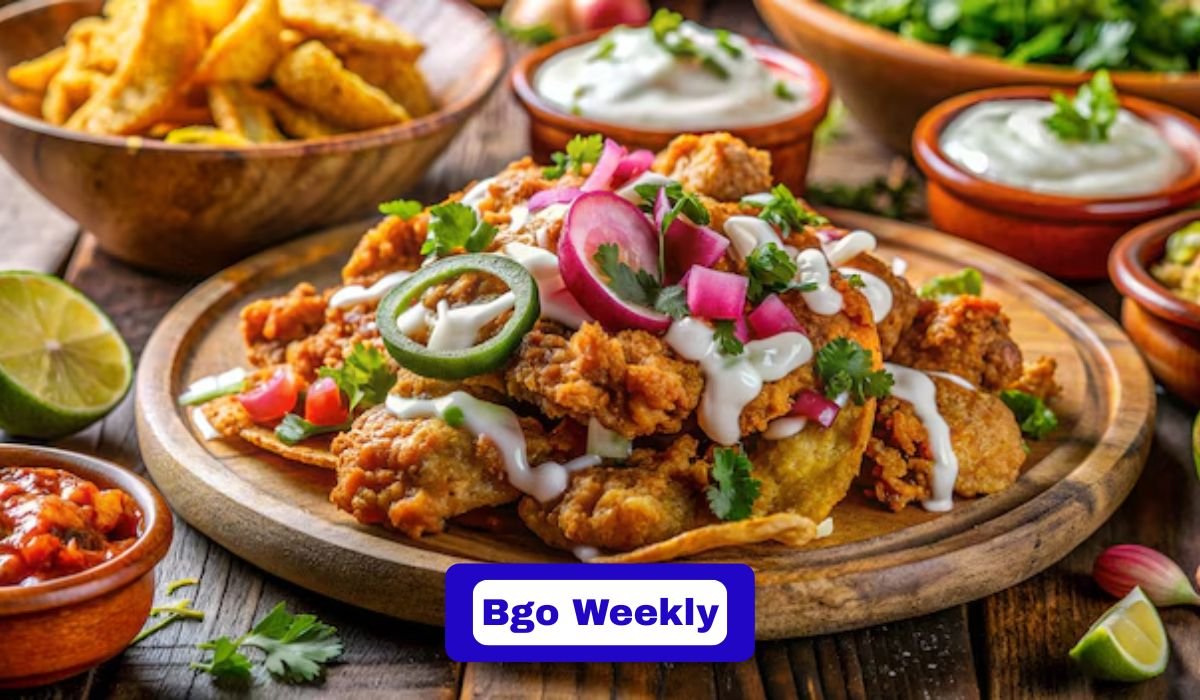
Introduction: What Is Soutaipasu And Why It Matters Today
Soutaipasu is not just a traditional cuisine. It is a thoughtful way of preparing and sharing food that reflects balance, patience, and cultural memory. In a time when fast meals and processed ingredients dominate global eating habits, Soutaipasu offers something refreshingly different. It focuses on natural ingredients, slow cooking methods, and harmony in flavor.
People searching for authentic culinary traditions are increasingly curious about Soutaipasu because it represents more than taste. It connects food to seasons, family traditions, and mindful living. This complete guide explores the origins, flavors, cooking techniques, cultural meaning, and health benefits of Soutaipasu in a clear and practical way.
Quick Bio Information About Soutaipasu
Soutaipasu Is A Traditional Balanced Cuisine
Soutaipasu Developed Through Generational Knowledge
Soutaipasu Emphasizes Seasonal Ingredients
Soutaipasu Uses Fermentation Techniques
Soutaipasu Focuses On Whole Foods
Soutaipasu Encourages Moderate Portions
Soutaipasu Includes Fresh Seafood
Soutaipasu Highlights Leafy Greens
Soutaipasu Relies On Clay Pot Cooking
Soutaipasu Prefers Hand-Ground Spices
Soutaipasu Values Community Cooking
Soutaipasu Minimizes Food Waste
Soutaipasu Avoids Artificial Additives
Soutaipasu Supports Gut Health
Soutaipasu Aligns With Sustainable Practices
Soutaipasu Encourages Mindful Eating
Soutaipasu Balances Sweet Salty Sour Flavors
The Origins Of Soutaipasu And Its Cultural Foundations
The origins of Soutaipasu are rooted in traditional communities where food was shaped by local climate, seasonal harvests, and shared labor. Rather than developing in commercial kitchens, it grew organically within households and small settlements. Recipes were not written down in formal cookbooks. Instead, they were passed from elders to younger generations through observation and practice.
Agriculture and coastal living strongly influenced Soutaipasu ingredients. Seasonal vegetables, modest portions of fresh seafood, fermented sauces, and hand-ground spices formed the backbone of daily meals. Because the cuisine evolved slowly over generations, it maintained authenticity. Even when trade introduced new ingredients, they were adapted gently to fit the existing philosophy of balance rather than replacing it.
The Core Philosophy Of Soutaipasu: Balance Over Intensity
At the heart of Soutaipasu lies a simple but powerful principle: balance. Instead of chasing bold or overpowering flavors, this cuisine focuses on harmony. Sweet, salty, sour, and mild heat are blended carefully so that no single element dominates.
This balanced cuisine philosophy extends beyond taste. It also applies to portion size, cooking time, and ingredient combinations. Meals are prepared with care, allowing natural flavors to develop gradually. Compared to modern fast food culture, which often prioritizes speed and strong flavor impact, Soutaipasu values patience and subtlety.
The Flavor Profile Of Soutaipasu Cuisine
If you are wondering what Soutaipasu tastes like, imagine a meal that feels comforting yet refined. The Soutaipasu flavor profile is layered rather than loud. Fermented pastes add gentle depth. Fresh herbs provide brightness. Natural oils release aroma slowly as dishes simmer.
Texture plays an important role as well. Soft rice-based elements are paired with lightly grilled vegetables or slow-cooked seafood. Steamed dishes retain moisture, while fermented sauces add a subtle tang. This approach creates meals that satisfy without overwhelming the senses.
Core Ingredients Used In Soutaipasu Cooking
Soutaipasu ingredients are selected with intention. Seasonal vegetables such as leafy greens, squash varieties, and root crops appear frequently. Fresh seafood is often used in moderate portions, reflecting coastal influence and respect for natural resources.
Hand-ground spices are preferred over pre-packaged blends because they release fresher aroma. Fermented pastes and aged sauces provide depth without artificial additives. Coconut, citrus, and naturally pressed oils contribute gentle richness. The use of whole foods and minimal processing makes traditional Soutaipasu food naturally aligned with healthy eating principles.
Signature Soutaipasu Dishes And Traditional Recipes
Several Soutaipasu dishes capture the essence of this culinary style. Slow-Simmered Spiced Fish Stew is a staple that highlights seafood, fermented base sauces, and patient cooking. The broth develops complexity over low heat, creating a meal that feels nourishing rather than heavy.
Citrus-Grilled Vegetables showcase seasonal produce enhanced by light charring and natural acidity. Traditional Rice-Based Cakes are prepared for both daily meals and celebrations, sometimes savory and sometimes gently sweet. Coconut-Infused Desserts balance smooth texture with restrained sweetness. These traditional Soutaipasu recipes reflect both daily simplicity and festive warmth.
Traditional Cooking Methods And Tools
Soutaipasu cooking methods focus on preserving flavor and nutrients. Slow simmering allows ingredients to release natural oils gradually. Steaming helps retain moisture and essential vitamins. Fermentation supports preservation while enhancing taste.
Clay pots are commonly used because they distribute heat evenly and maintain steady temperature. Mortar and pestle tools are preferred for grinding spices, ensuring texture and freshness that electric grinders cannot fully replicate. Wooden utensils protect both cookware and flavor integrity. These traditional cooking tools are not decorative relics but practical instruments that shape the final taste of the meal.
The Cultural Importance Of Soutaipasu In Community Life
Soutaipasu culture centers around togetherness. Cooking is often communal, especially during seasonal festivals and family gatherings. Elders play a key role in teaching preparation techniques and maintaining authenticity. Food is viewed as a bridge between generations.
Meals are rarely rushed. The preparation process itself becomes a social event. Through shared cooking and shared eating, relationships are strengthened. This cultural food heritage helps explain why Soutaipasu has endured without aggressive commercialization.
Health Benefits Of Soutaipasu Cuisine
Many people ask, Is Soutaipasu healthy? The answer is yes, for several reasons supported by modern nutrition science. High vegetable intake provides fiber, vitamins, and antioxidants. Whole ingredients and limited processing reduce unnecessary additives.
Fermented elements may support gut microbiome balance, which research links to digestion and immune health. Balanced flavors reduce dependence on excessive salt or sugar. Moderate portion sizes encourage mindful eating. The health benefits of Soutaipasu come not from strict dieting but from thoughtful tradition.
Sustainability And Environmental Awareness
Soutaipasu aligns naturally with sustainable eating practices. Seasonal sourcing reduces environmental strain. Fermentation extends shelf life without artificial preservatives. Moderate protein use supports resource conservation.
Minimal food waste is another important aspect. Vegetable scraps are often reused in broths, and preservation techniques ensure nothing is discarded carelessly. In 2025, when environmental awareness is increasingly important, this sustainable traditional cuisine offers valuable lessons.
How To Experience Authentic Soutaipasu Today
Authentic Soutaipasu is best experienced in regions where it originated, particularly in family-run kitchens. Cultural food festivals and specialty restaurants led by traditional chefs may also offer genuine experiences.
When searching for authentic Soutaipasu food, look for menus that emphasize seasonal ingredients, fermentation, and slow cooking techniques rather than flashy presentation. True Soutaipasu values substance over trend.
Bringing Soutaipasu Into Your Home Kitchen
You do not need professional training to explore Soutaipasu at home. Start by incorporating fermented elements into sauces or dressings. Practice slow cooking instead of rushing meals. Choose fresh vegetables and moderate portions of protein.
Focus on balance rather than spice intensity. Taste as you cook and adjust gently. This practical approach allows you to respect Soutaipasu philosophy while adapting it to your local ingredients.
Common Mistakes To Avoid When Trying Soutaipasu
One common mistake is over-seasoning. Soutaipasu flavor profile depends on subtle harmony, not aggressive spice levels. Another mistake is skipping fermentation steps that create depth.
Rushing cooking time can also disrupt balance. Patience is essential. Finally, replacing fresh ingredients with heavily processed alternatives changes the essence of traditional Soutaipasu food.
Final Thoughts: Why Soutaipasu Deserves Global Attention
Soutaipasu matters because it offers more than recipes. It represents a balanced cuisine philosophy rooted in respect for ingredients, culture, and well-being. In a world driven by speed and convenience, Soutaipasu reminds us that meaningful food takes time.
By exploring Soutaipasu, whether through travel or home cooking, you engage with a tradition that connects flavor, sustainability, and health. Its quiet resilience proves that authenticity does not require loud marketing. Sometimes, the most valuable culinary experiences are those grounded in patience and care.
FAQs About Soutaipasu
What Makes Soutaipasu Different From Other Traditional Cuisines
Soutaipasu stands out because of its strong emphasis on balance rather than bold intensity. It combines seasonal sourcing, fermentation, and moderate portions in a way that feels holistic rather than trend-driven.
Is Soutaipasu Very Spicy
Soutaipasu is not typically very spicy. Heat is used carefully to enhance flavor without overpowering other ingredients.
Can Vegetarians Enjoy Soutaipasu
Yes. While seafood is common, many Soutaipasu dishes center around vegetables, rice, and fermented sauces, making vegetarian adaptations natural and satisfying.
Why Is Fermentation Important In Soutaipasu
Fermentation adds depth of flavor and may support digestive health. It also helps preserve ingredients in a natural way.
Is Soutaipasu Suitable For Modern Healthy Eating
Yes. With its focus on whole foods, balanced flavors, and mindful preparation, Soutaipasu aligns well with contemporary health recommendations in 2025.
Can Beginners Try Cooking Soutaipasu At Home
Absolutely. By focusing on fresh ingredients, slow cooking, and balanced seasoning, beginners can gradually explore and appreciate the essence of Soutaipasu.
Soutaipasu continues to inspire those who value tradition, health, and thoughtful cooking. Its message is simple yet powerful: true flavor grows from balance, patience, and respect.
Please People Read Also: Crocolini Explained: Benefits, Nutrition Facts, and Easy Ways To Cook This Hybrid Vegetable