
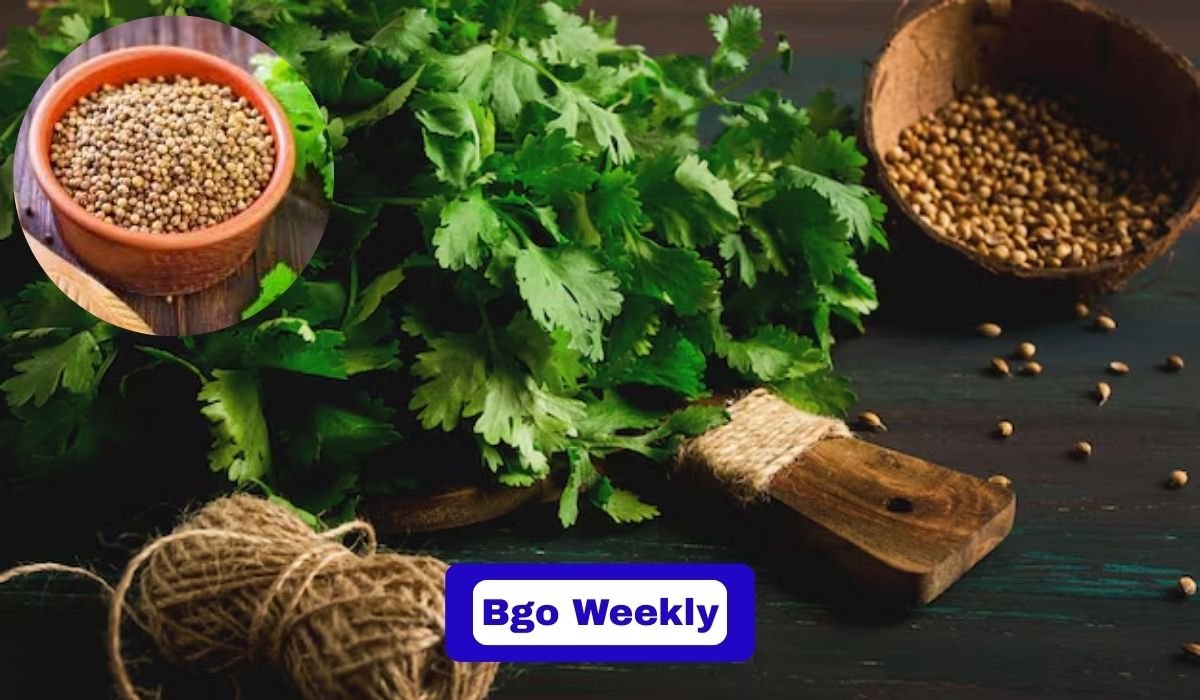
Herbs have always played a significant role in human life, from enhancing meals to supporting health. Among them, Koriandri stands out as a timeless herb with remarkable versatility. Known widely as coriander or cilantro, this plant is valued not just for its unique flavor but also for its medicinal properties and cultural significance. In this comprehensive 2025 guide, we will explore everything you need to know about Koriandri, from its culinary uses and health benefits to cultural importance and modern wellness trends.
Quick Bio Information About Koriandri
Koriandri is a remarkable herb with many facets. Here are essential facts to know:
Koriandri is also called Coriander and Cilantro.
It belongs to the Apiaceae family of plants.
Both leaves and seeds are edible and used differently.
Fresh leaves have a citrusy, bright flavor.
Seeds are earthy, warm, and slightly nutty.
Native to regions in Southern Europe, North Africa, and Southwestern Asia.
One of the oldest herbs in human history, used for thousands of years.
Ancient Egyptians included coriander in burial rituals.
Rich in vitamins C, K, and A, and minerals like potassium and calcium.
Supports digestion and gut health.
Contains antioxidants that protect against oxidative stress.
May help regulate blood sugar levels.
Promotes heart health by supporting circulation and reducing cholesterol.
Easy to grow in pots or gardens with sunlight and water.
Leaves can be harvested repeatedly; seeds are collectible.
Used globally in Asian, Latin American, Middle Eastern, and European cuisines.
Featured in home remedies for colds, fevers, and stomach discomfort.
Often incorporated in detox waters, smoothies, and wellness drinks.
Small portion of people may perceive a soapy flavor due to genetics.
Considered culturally significant and symbolically important in many regions.
Introduction: Why Koriandri Deserves Your Attention
When it comes to herbs that enrich both flavor and health, Koriandri is among the most celebrated. Loved across continents, it is cherished for its bright, fresh leaves and aromatic seeds. This guide will walk you through everything from how to use it in everyday meals to its deep-rooted cultural significance. Whether you are a chef, a health enthusiast, or simply someone who enjoys fresh herbs, understanding Koriandri can elevate your cooking and wellness practices.
What Is Koriandri? Understanding This Unique Herb
Koriandri refers to the plant Coriandrum Sativum, which offers both fresh leaves and dried seeds for culinary and medicinal use. The leaves, often called cilantro in some regions, are soft, green, and citrusy in flavor. They add brightness to dishes like salads, soups, and curries. The seeds, on the other hand, are small, round, and earthy with warm undertones. Used whole or ground, they enhance spice blends and bring depth to a variety of recipes. Beyond its kitchen uses, Koriandri has been treasured for centuries in traditional medicine, making it a herb with dual importance in daily life.
The Global Popularity of Koriandri
Few herbs enjoy the global appeal that Koriandri has achieved. In Asian cuisines, it flavors chutneys, stir-fries, and curries. Latin American chefs rely on its leaves for fresh salsa, guacamole, and tacos. Middle Eastern recipes often incorporate both leaves and seeds to season meats and stews. Even European kitchens use it in marinades, sauces, and breads. Its widespread adoption across continents reflects both its versatility and universal appeal. Interestingly, taste perception varies widely due to genetics; some people find it delightfully aromatic, while others detect a soapy flavor. This split opinion only highlights the herb’s uniqueness.
Health Benefits of Koriandri
Beyond taste, Koriandri is a powerful herb for wellness. Its leaves and seeds are rich in vitamins such as Vitamin C, Vitamin K, and Vitamin A, alongside essential minerals like potassium, calcium, and magnesium. Traditionally, it has been used to support digestion, ease bloating, and improve appetite. Modern research highlights its antioxidant properties, helping combat oxidative stress and protect cellular health. Additionally, Koriandri may support healthy blood sugar levels and assist in detoxification, particularly the removal of heavy metals. Its potential to enhance heart health, reduce cholesterol, and improve circulation makes it a valuable herb in holistic nutrition.
How to Use Koriandri in Everyday Cooking
Koriandri can be seamlessly incorporated into daily meals, adding flavor, freshness, and nutrition. Fresh leaves can be sprinkled over salads, stirred into soups, or added at the end of cooking to preserve their bright taste. Seeds, whether whole or ground, can enhance curries, soups, stews, and spice rubs. Boiling seeds in water makes a soothing tea that supports digestion. Adding leaves to smoothies and fresh juices provides extra nutrients while giving beverages a crisp, herbal twist. This adaptability makes Koriandri a staple for both gourmet dishes and simple home cooking.
Home Remedies and Wellness Uses
In addition to culinary uses, Koriandri has long been a part of home remedies. It is used traditionally to relieve stomach discomfort, reduce colds and fevers, and promote detoxification. A simple tea made from seeds can soothe digestive issues, while fresh leaves may be added to health tonics or juices for an extra nutrient boost. Modern wellness trends have embraced Koriandri in detox waters, herbal supplements, and organic recipes, highlighting its continued relevance in contemporary health practices.
Growing Koriandri at Home
One of the advantages of Koriandri is how easy it is to cultivate. Whether in a garden or a small apartment balcony, the herb thrives in pots with good soil and moderate watering. It requires ample sunlight and minimal maintenance, making it accessible even for beginner gardeners. Leaves can be harvested as needed, while allowing the plant to flower produces seeds that can be collected and stored for future use. Growing your own Koriandri ensures freshness and a deeper connection to the herb itself.
Koriandri in Cultural and Historical Context
Koriandri has a rich cultural history. In India, it is often offered in temples and symbolizes freshness. Mediterranean regions have long used it both as food and medicine. In Mexico, fresh coriander leaves are an essential component of traditional salsas. Historical records, including ancient texts, reference coriander as a valuable herb for its flavor and healing qualities. Across civilizations, it has symbolized prosperity, love, and health, embedding it deeply in human culture and tradition.
Fun Facts and Surprising Details About Koriandri
Koriandri is among the oldest herbs known to humanity, with a history spanning thousands of years. Ancient Egyptians associated it with eternal love and included it in burial offerings. In some cultures, it is considered a herb that brings luck and prosperity. Interestingly, a small portion of the population experiences its flavor as soapy due to genetic differences, making the herb a topic of fascination and debate. These fun details show that Koriandri is not just a herb but a living part of human stories and traditions.
Why Koriandri Will Remain a Timeless Herb
Herbs often trend in popularity, but Koriandri remains a constant favorite due to its combination of flavor, health benefits, and cultural relevance. Its ability to enhance meals, support wellness, and connect people to tradition ensures its enduring presence in kitchens and wellness routines. Whether in salads, teas, spice blends, or home remedies, Koriandri continues to enrich daily life, bridging tradition with modern living in a way few herbs can.
Final Thoughts on Koriandri
Koriandri is more than a simple herb—it is a bridge between culinary delight, health, and culture. Its bright leaves, aromatic seeds, and medicinal qualities make it an indispensable companion in kitchens and wellness routines. From its historical roots to modern applications in cooking and health, Koriandri continues to inspire and nourish. Incorporating this timeless herb into your life can elevate meals, improve well-being, and connect you to a tradition cherished across centuries. By understanding and appreciating Koriandri, we embrace a herb that truly enhances both flavor and life.
FAQs About Koriandri
What is the difference between Koriandri leaves and seeds?
Koriandri leaves are fresh and bright, often called cilantro, used for garnishing and flavoring dishes. Seeds are dried, earthy, and nutty, often ground or added whole to curries, soups, and spice mixes. Both have different flavors and uses but come from the same plant.
Is Koriandri good for digestion?
Yes, both the leaves and seeds of Koriandri support digestion. Seeds can ease bloating and improve appetite, while leaves provide antioxidants that contribute to overall gut health.
Can I grow Koriandri at home?
Absolutely. Koriandri thrives in pots or gardens with sunlight, moderate water, and good soil. Leaves can be harvested regularly, and seeds can be collected when the plant flowers.
Why do some people say Koriandri tastes like soap?
This reaction is genetic. Certain people are sensitive to aldehyde compounds present in the leaves, which can make them perceive a soapy taste.
What are the health benefits of Koriandri?
Koriandri offers numerous benefits, including digestive support, antioxidants, blood sugar regulation, detoxification, heart health support, and providing essential vitamins and minerals.
How is Koriandri used in different cuisines?
It is used in Asian curries and chutneys, Latin American salsas and tacos, Middle Eastern stews and meat dishes, and European sauces and breads. Its versatility makes it a staple in global cooking.
Can Koriandri help in modern wellness trends?
Yes, Koriandri is often used in detox waters, smoothies, herbal supplements, and organic recipes. Its nutritional benefits and refreshing flavor make it ideal for wellness routines.
How do I store Koriandri leaves and seeds?
Fresh leaves should be stored in the refrigerator in a loosely wrapped paper towel or container. Seeds should be kept in an airtight container in a cool, dark place to preserve flavor.
Please People Read Also: Smoothiepussit: The Ultimate Travel-Friendly Smoothie for Busy Days