
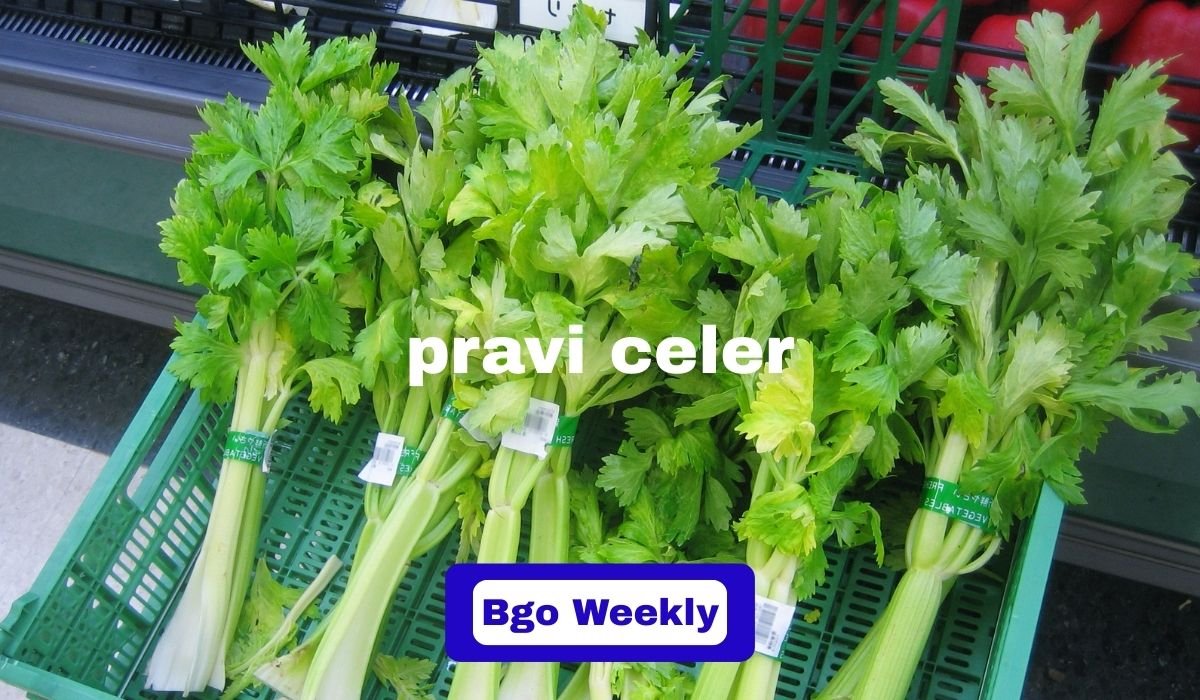
Introduction to Pravi Celer
Pravi Celer, often called “True Celery,” is more than just a common vegetable. While most people know celery for its crunchy stalks in salads or soups, Pravi Celer is the whole plant, including leaves, stalks, roots, and seeds. This complete approach to celery has been celebrated for centuries, especially in the Balkans and Mediterranean regions, where traditional cooking and holistic wellness practices valued every part of the plant. Today, Pravi Celer is gaining attention for its nutritional power, versatile culinary uses, and health-promoting properties. By understanding and incorporating Pravi Celer into your daily life, you can transform both your meals and overall wellness.
Quick Bio Information About Pravi Celer
Pravi Celer is packed with fascinating facts. The plant can reach up to 1.5 feet in height. Leaves are more nutrient-dense than stalks. Roots are high in dietary fiber. Seeds contain essential oils with potential anti-inflammatory properties. Stalks have a subtle bitterness and high water content. Traditionally grown in the Balkans, Pravi Celer is also common in Mediterranean cuisines. It thrives in temperate climates. The plant belongs to the Apium Graveolens species. Roots are often called celeriac. Leaves enhance soups and stews. Seeds are used in teas and oils. It supports heart health, digestion, and hydration. The plant is celebrated for antioxidant content. It has been used in folk medicine for centuries. It can be roasted, steamed, juiced, or eaten raw. Growing your own provides fresher flavor. Pravi Celer has symbolic cultural significance. Incorporating all parts maximizes health benefits. The plant is low in calories but nutrient-dense.
What is Pravi Celer?
Pravi Celer literally translates to “True Celery” and refers to the complete plant rather than just the stalks. The plant belongs to the species Apium Graveolens and includes four key parts: the stalks, leaves, roots (commonly known as celeriac), and seeds. Each part carries its unique flavor and nutritional profile. Unlike commercially sold celery, which is often cultivated for uniformity and crispness, Pravi Celer grows naturally and retains a more potent combination of nutrients and flavors. Traditionally, households in Balkan and Mediterranean cultures have used the entire plant in cooking, medicine, and ceremonial dishes, emphasizing its holistic value.
Nutritional Profile of Pravi Celer
One of the main reasons Pravi Celer is so valued is its remarkable nutritional profile. It is low in calories yet rich in essential vitamins and minerals. Stalks and leaves provide vitamin K, vitamin A, vitamin C, folate, and antioxidants that support overall wellness. The roots are an excellent source of dietary fiber, which supports healthy digestion and gut function. Seeds contain concentrated essential oils with potential anti-inflammatory and antimicrobial properties. The leaves, in particular, are a nutrient powerhouse, often surpassing stalks in vitamin and antioxidant content. Including all parts of Pravi Celer in your diet ensures that you receive the full range of its nutritional benefits.
Health Benefits of Pravi Celer
Pravi Celer is more than a culinary ingredient—it is a plant with deep medicinal potential. Its fiber content promotes smooth digestion and regular bowel movements. The leaves and seeds contain compounds that may reduce inflammation, supporting heart and joint health. Antioxidants in Pravi Celer, such as flavonoids and vitamin C, help neutralize harmful free radicals, protecting cells from oxidative stress. Potassium and other minerals contribute to regulating blood pressure, promoting cardiovascular health. Additionally, the high water content in the stalks and leaves aids hydration and helps the body flush out toxins. Incorporating Pravi Celer into daily meals can enhance overall vitality, digestive balance, and cardiovascular well-being.
Culinary Uses of Pravi Celer
Pravi Celer is extremely versatile in the kitchen. Stalks are crunchy and slightly bitter, perfect for salads, stir-fries, and snacks. Leaves are aromatic and flavorful, enhancing soups, stews, and garnishes. The roots offer an earthy, firm texture ideal for roasting, pureeing, or adding to hearty soups. Seeds carry a stronger flavor and are often used as spices or infused into oils and teas. Traditional Balkan recipes showcase the plant in its entirety, creating layered flavors while maximizing nutritional value. Roasted root vegetables paired with tender stalks or soups infused with leaves highlight how culinary creativity and health benefits can coexist.
Simple Pravi Celer Recipes
Enjoying Pravi Celer in daily meals can be simple and rewarding. A roasted root dish with olive oil and herbs brings out its natural sweetness while maintaining nutritional value. Blending stalks and leaves into smoothies or juices offers a fresh, nutrient-packed drink. A hearty soup with root, leaves, and stalks combines flavors and textures while providing a health boost. Brewing leaves and seeds into a soothing herbal tea delivers antioxidants in a calming way. These recipes are approachable for anyone, whether you are an experienced cook or just exploring Pravi Celer in your kitchen.
Growing Pravi Celer at Home
Cultivating Pravi Celer is both practical and rewarding. The plant thrives in temperate climates with well-drained, nutrient-rich soil and regular watering. It requires partial sunlight to maintain healthy growth. Unlike commercial celery, which is often bred for uniform appearance, homegrown Pravi Celer retains more nutrients and flavor. Harvesting can begin once stalks are firm, leaves are vibrant, and roots are fully developed. Seeds can be collected for future planting or culinary use. By growing your own, you can enjoy a fresher, more potent product while connecting with traditional cultivation practices.
Cultural and Historical Significance
Pravi Celer has a rich history intertwined with Balkan and Mediterranean life. It has been a staple in households for centuries, valued not only as food but also as a medicinal plant. Folk medicine used Pravi Celer to support digestion, reduce inflammation, and improve vitality. It also featured in seasonal rituals, festivals, and special dishes, symbolizing health, authenticity, and connection to the land. Today, families that maintain traditional cooking practices continue to honor the plant’s full use, preserving cultural heritage while benefiting from its nutritional and therapeutic properties.
Tips for Incorporating Pravi Celer into Daily Life
Making Pravi Celer a regular part of your meals can be easy and enjoyable. Chop stalks and leaves finely for a refreshing addition to salads. Add roots and leaves to soups and stews to boost flavor and nutrition. Blend stalks and leaves into juices or smoothies for a quick nutrient boost. Brew seeds and leaves into herbal teas for a calming, antioxidant-rich drink. Roasting roots with olive oil enhances their sweetness and makes for a satisfying snack. By experimenting with these approaches, you can integrate Pravi Celer seamlessly into your daily routine.
How Pravi Celer Differs from Regular Celery
Many people confuse Pravi Celer with the supermarket version of celery, but there are key differences. Regular celery typically emphasizes the stalks, with minimal attention to leaves, roots, or seeds. Pravi Celer, on the other hand, is valued for the holistic use of the entire plant. This approach maximizes flavor, nutritional value, and traditional wellness benefits. By embracing Pravi Celer in its entirety, you gain a richer culinary and health experience compared to using only stalks.
Storage and Preparation Tips
Proper storage is essential to maintain the freshness and nutritional quality of Pravi Celer. Stalks and leaves can be stored in the refrigerator wrapped in a damp cloth to preserve crispness. Roots should be kept in a cool, dark place, and seeds stored in airtight containers. When preparing Pravi Celer, chopping or lightly steaming helps retain nutrients, while roasting brings out natural sweetness. Freshly harvested leaves, stalks, and roots provide the most potent flavors and health benefits.
Conclusion
Pravi Celer is far more than a simple vegetable. Its full potential emerges when all parts—stalks, leaves, roots, and seeds—are used. With its rich array of vitamins, minerals, fiber, and antioxidants, Pravi Celer supports digestive health, cardiovascular function, hydration, and overall well-being. Its versatility in the kitchen allows it to shine in traditional and modern recipes, while its historical and cultural significance connects us to centuries of culinary and medicinal wisdom. By embracing Pravi Celer in your daily life, you are not only enhancing your meals but also investing in your health and honoring timeless traditions.
FAQs About Pravi Celer
What Is Pravi Celer?
Pravi Celer is the whole celery plant, including stalks, leaves, roots, and seeds, valued for its flavor, nutrition, and health benefits.
How Can I Use Pravi Celer in Cooking?
It can be used in salads, soups, stews, roasted dishes, juices, smoothies, and teas to maximize both flavor and nutrition.
What Are the Health Benefits of Pravi Celer?
Pravi Celer supports digestion, heart health, hydration, and has antioxidant and anti-inflammatory properties.
Can I Grow Pravi Celer at Home?
Yes, it grows best in well-drained, nutrient-rich soil with partial sunlight and regular watering.
Is Pravi Celer Different from Regular Celery?
Yes, Pravi Celer refers to the whole plant and is used traditionally, while regular celery often focuses only on the stalks.
Which Part of Pravi Celer Is the Most Nutritious?
Leaves are the most nutrient-dense, containing high concentrations of vitamins and antioxidants, while roots provide fiber and seeds contain beneficial essential oils.
How Do I Store Pravi Celer?
Stalks and leaves should be kept in the refrigerator wrapped in a damp cloth, roots in a cool dark place, and seeds in airtight containers.
Can Pravi Celer Be Eaten Raw?
Yes, stalks, leaves, and roots can be eaten raw, while seeds are typically used in teas or as a seasoning.
People Also Read: Cherrysakura: Discover The Timeless Beauty Of Japan’s Cherry Blossoms